Ajuda Trainiing

May is Mental Health Awareness Month, and as you know the Ajuda team are very passionate about raising awareness of mental health and supporting people to become more knowledgeable in supporting others.
A large portion of our work at the Cardiff office is focussed around not only providing award-winning Mental Health First Aid and Youth Mental Health First Aid courses, but also organising successful and popular live events in Cardiff where we welcome thousands of people.
There are plenty of other ways of getting involved in Mental Health Awareness Week.
Join us for the Mental Health and Wellbeing Show
From 9am on Friday 15th May we will be hosting our in person conference at Cardiff City Football Stadium, featuring a range of speakers and exhibitors all with one goal – to increase positivity and inclusion around mental health
Register for tickets here: https://mhwshow.co.uk/


Ajuda also offer a range of face to face and online training courses which are designed to develop knowledge on different topics whilst also teaching learners how they can support people suffering with a mental illness or other issues.
Classroom Courses Include:
Mental Health First aid (Wales)
Youth Mental Health First Aid (Wales)
Wellbeing Champion
Read more about our courses here : https://www.ajuda.org.uk/product-category/courses/mental-health/
Online Training Courses include:
• Mental Health Awareness
• Mental Capacity Act
• Drug and Alcohol Awareness
• Autism Awareness
• Dementia Awareness
Read more about our online courses here: https://www.ajuda.org.uk/online-courses/mentalhealth-online-courses/
With the overall theme being “Action”, here are some great ways of getting involved in your community
Join a local support group
Volunteer to support lonely people
Offer to keep elderly people company over the phone
Offer to deliver food for vulnerable people.
Taking Action and making positive changes starts with all of us.
Together we can make a difference.
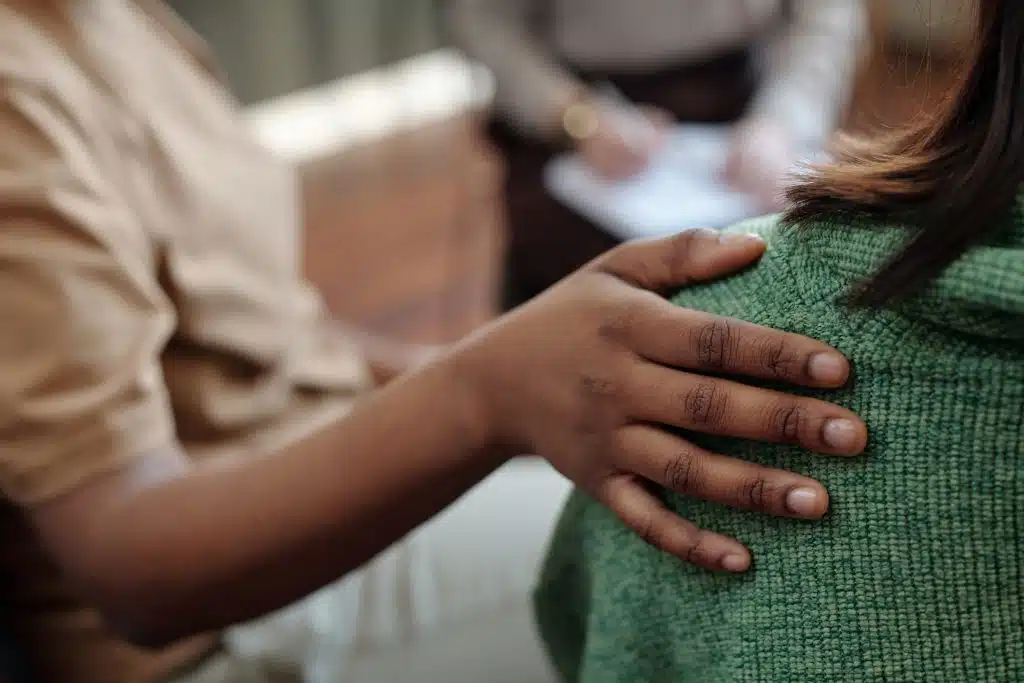
While some workplace stress is normal, excessive stress can interfere with your productivity and performance, impact your physical and emotional health, and affect your relationships and home life. It can even mean the difference between success and failure on the job.
According to HSE’s 2024/25 statistics, 964,000 workers in great Britain reported work-related stress, depression or anxiety, marking a record high. This represents over half (52%) of all work-related ill-health cases, with 22.1 million working days lost and an average of 22.9 days lost per case.

Many employees are reluctant to talk about stress at work. There is still a stigma attached to stress and people still think they will be seen as weak if they admit they are struggling. But stress is not a weakness and can affect anyone at any level of an organisation.
Some of the most common causes of workplace stress
At Ajuda we have compiled a list of things to do to help reduce Stress in the workplace.
Sometimes the best stress-reducer is simply sharing your stress with someone close to you. The act of talking it out and getting support and sympathy—especially face-to-face—can be a highly-effective way of blowing off steam and regaining your sense of calm. The other person doesn’t have to “fix” your problems; they just need to be a good listener.

Try to develop good relationships with your colleagues – this can help to create a support network at work.

Too many of us get into the bad habit of eating lunch at our work desk. This would mean that you spend all day at the computer and not allowing yourself to take a break. The best way to step away at lunch time is to leave the office and go for a walk. If you’re lucky enough to be close to a park then that is ideal, or just a walk around the block will help. Even if it is just for 10 minutes so you have time to sit down and eat your lunch.
Exercise is also very beneficial when it comes to stress and mental health.

During stressful times it’s easier to eat junk food or snack on crisps, sweets or chocolate. Try and go for fruit instead. You will start to feel much better. Eating small, frequent and healthy meals, for example, can help your body maintain an even level of blood sugar, keeping your energy and focus up, and avoiding mood swings. Low blood sugar, on the other hand, can make you feel anxious and irritable, while eating too much can make you lethargic.

Try going to bed and getting up at the same time every day, even on weekends. Aim for 8 hours a night—the amount of sleep most adults need to operate at their best. Turn off screens one hour before bedtime. The light emitted from TV, tablets, smartphones, and computers suppresses your body’s production of melatonin and can severely disrupt your sleep. Avoid stimulating activity and stressful situations before bedtime such as catching up on work. Instead, focus on quiet, soothing activities, such as reading or listening to soft music, while keeping lights low.

It’s ok to ask for help or say if you’re taking too much work on. Learn to say no if you can’t take on extra work or responsibility – make sure you’re able to explain why.

Work regular hours and take the breaks and holidays you’re entitled to – it’s important to take time off work.
We have our Free Stress & Anxiety Webinar on 16th April
Register for free tickets here
We also have an online training course that you can take
https://www.ajuda.org.uk/stress-management/
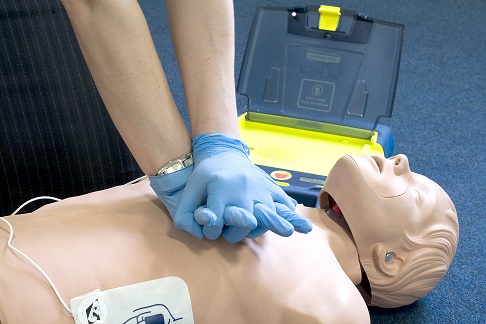
Around 30,000 people in Britain every year suffer a sudden
cardiac arrest in the community and around 8,000 people suffer in Wales from
the same reason. They can affect anyone at any time – from young children at
school, to adults when they are at work or at home. In that case it seems to be
important to know what a defibrillator is, how to use it and where to find it –
isn’t it?
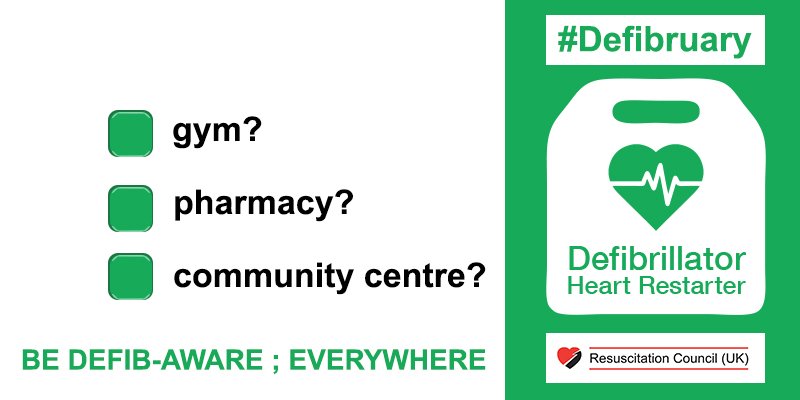
The combination of words defibrillator and February aims to create an action which will increase the awareness of defibrillators importance. The Welsh Ambulance Service dedicated the whole month for educating people how to use those lifesaving devices to decrease the negative effects of cardiac arrests. The victim’s chances for survival are close to 90% if defibrillator is used within the first minute of collapse. For every minute that defibrillation is delayed, survival decreases by 7% to 10%. Delay for over 10 minutes decreases the chance of survival in adults to less than 5 percent. The greater knowledge about defibrillators the greater chances to save lives!
Defibrillator called also AED – automated external defibrillator is a
portable lifesaving device used to
administer an electric shock to the heart and restore the heart’s normal
rhythm during sudden cardiac arrest. If the heart can be shocked quickly with an
AED, a normal heart rhythm may be restored. Due to being portable,
automated and easy to use defibrillators can be used in public places and
at home.
Although not all defibrillators look the same, they function broadly in
the same way. The most important thing you can do if you come across the
unconscious and unresponsive person is to call 999 and start CPR to keep the
blood flowing in the organism. Every minute without CPR and defibrillation
after experiencing a heart attack reduces someone’s chance of survival by 10%.
If you do have a defibrillator these are a few steps that you need to follow:
Make sure that you know where the nearest defibrillator in your area is. The AED location map can be found at http://www.heartsafe.org.uk/aed-locations. It has developed over 12 years to assist people living in communities to know in advance where their local public defibrillator may be positioned in case of emergency. These are places in Cardiff where you can find AEDs:

Every workplace has to invest in certain items to protect its staff members and keep them safe from harm. These include first aid kits, fire blankets and fire distinguishers. However, AED is often left off the list and so we have to make sure that this lifesaving device is located in our workplace. Survival rates of sudden cardiac arrests are very low – without immediate treatment, a massive 90 to 95% of SCA victims will not survive. For optimum survival rates, a person suffering from an SCA needs a shock from a defibrillator.
A shocking 13% of workplace fatalities are due to
someone suffering from SCA, which just shows
how important it is to have a defibrillator in the workplace. Business owners
and HR managers need to understand the risks. When it comes to SCAs, the
severity of the potential risk is incredibly high. For
the cost of a new computer or a round of drinks at the office party,
you could purchase a device that can, quite literally, be the
difference between life and death.
Apart from having the AED at your workplace, managers should also prepare their workers for various situations by giving them specific first aid trainings. Our company can help you deliver them to both your workplace and individually. Check out our classroom and online training courses at https://www.ajuda.org.uk/ and make sure your workers can feel safe at the workplace!
This campaign exists to raise awareness of the impact of using a defibrillator. It also encourages the public to sign up to free first aid training classes and to raise money and fundraise to place more defibrillators within the community. At https://www.thewave.co.uk/news/local/welsh-ambulance-live-saving-campaign/ you can find all the additional information about the action and some materials to share. We encourage you to be the part of it and help us spread awareness!


According to the Royal Society for the Prevention of Accidents (RoSPA), more than 6,000 people will end up in hospital on Christmas Day and over the Christmas period more than 80,000 people visit A&E and these numbers appear to be rising.
Not only is there an increase in admissions due to common winter illnesses, hospitals in the UK see thousands of people treated for Christmas-related injuries. Christmas sees injuries from knives, trips (e.g. from fairy light wires), food poisoning and burns. With serious incidents such as house fires also being more common than during other times in the year; People are 50% more likely to die in a house fire over Christmas than at any other time of year.
Approximately 350 people a year are hurt by Christmas tree lights, according to RoSPA. Injuries include people falling while they’re putting them up, children swallowing the bulbs, and people getting electric shocks and burns from faulty lights. RoSPA’s advice is to ‘Test your lights and the wiring before you put them up, as they can deteriorate over the years. If you have old lights, buy new ones that meet higher safety standards, don’t overload sockets, as that’s a fire risk.’
– Since 1996, 31 people have died from watering their Christmas tree with the lights plugged in
– 1 in 10 people burn themselves while setting fire to Christmas pudding
– 350 people a year are hurt by Christmas tree lights
– 1,000 people a year are hurt when decorating their homes
– 30 people die from food poisoning each Christmas
– People are 50% more likely to be in a house fire at Christmas than at any other time of the year
– Do not leave candles unattended (this advice should be followed throughout the year)
– Ensure Christmas cards and wrapping paper are kept clear of open flames (e.g. do not hang cards above the fireplace and do not light candles near cards)
– To reduce the risk of trips, slips and falls, keep holiday clutter to a minimum (e.g. invest in a cable tidy to keep stray wires minimal)
– Watch out for small items that could cause a choking hazard, particularly in young children (e.g. Christmas cracker prizes)
– Open packaging with scissors not knives to avoid careless injuries
– If you have old Christmas lights, consider investing in new ones which will meet much higher safety standards
– Keep the lights switched off until the Christmas tree is decorated and don’t let children play with the lights (some have swallowed the small bulbs)
– Don’t overload sockets
– Don’t let bulbs touch anything that can burn easily such as paper (this includes decorations)
– Keep glass baubles out of reach of toddlers and pets
– Don’t be tempted to leave the lights on when going to bed or when leaving the house
– Follow the instructions on the turkey and don’t risk short cuts as it takes hours to cook a turkey thoroughly (uncooked turkey can cause salmonella poisoning, which can be life-threatening for vulnerable people)
– Do NOT drink and drive!
Take this advice on board to ensure that your Christmas is memorable for the right reasons. Have a lovely, safe Christmas and a very Happy New Year. If you have any other suggestions on ways to stay safe over Christmas, please Tweet us on @ajuda_training.
To book yourself onto any of our valuable, life-changing courses (such as, First Aid, Health and Safety or Food Hygiene) in the New Year, please see our Course Calendar and use our new online booking system to book your place. To view our Christmas opening hours, please click on the picture below.

A professional all-day show on the 15th May 2026. This year you will find us at Cardiff City Football Stadium aiming to promote positive mental health through open conversation, promoting awareness and sharing real-life experiences.
The show will include a selection of seminars focused on topics such as coping with mental illness, ways to promote positive mental health, and how to support people around you who are suffering with ill mental health. Alongside this is an exhibition with over 60 charities, organisations and companies promoting their helpful resources, services and initiatives designed to support positive mental health and wellbeing.
Adult Services, Schools, GPs, NHS Staff, CAMHS, Housing Associations, Charities, Youth Clubs, Staff in Residential Housing for Children and Mental Health, Foster Carers, Rehabilitation Centres, Colleges, Police Services, Sports Clubs, Spiritual and Holistic Therapists and many more!
Experiencing and living with mental health conditions including; Depression, Anxiety Disorders, PTSD, OCD, Post Natal Depression, Psychosis, Suicidal Thoughts. Mental Health recovery and journey, Mental Health in the workplace, school, college, university. Overcoming Eating Disorders, Addiction, Self Harm. The advantages of mindfulness, holistic therapies, meditation, sports and activities, arts and creative therapies. Living with Autism. The connection of diet & nutrition and mental health, The LGBTIQ+ community, The Role of the Mental Health First Aider in the Workplace, The Role of the Mental Health Lead in Schools. Psychological treatments. Experiencing loss, Peer support, Student life, Homelessness, Disability, Reducing stress and many more
This event is proudly sponsored and supported by Ajuda

With colder weather on the way, it’s really important to remain fit and healthy at this time of year to help your body fight off the common colds and viruses that are circulating. Eating well, wrapping up warm and carefully planning your journeys are simple ways stay safe during winter.
This blog highlights some of the first aid tips you may require over the winter months and potential hazards to look out for.
It is essential to maintain body heat during winter to avoid hypothermia.
Ideally, the temperature indoors should be at least 18 degrees. If you cannot afford to keep the heating on all winter (it can really add up!) then keep adding the layers, have accessible blankets around the house and hot water bottles which are particularly useful and a cost-effective way to keep extra warm indoors.
If you are venturing outside, ensure to wrap up warm and add layers such as, hats, scarves and gloves to prevent you from getting too cold.
Unfortunately, hypothermia is a huge danger at this time of year. The number of hypothermia deaths has doubled over the last five years. It is really important to learn the signs of hypothermia which include pale and cold skin, shallow breathing, a weak pulse and disorientation. If you suspect someone is suffering from hypothermia, then it is vital to encourage the to undertake the following:
– Slowly restore warmth and get indoors if they are not already
– Begin CPR if necessary
– If they are conscious, give them a warm drink such as
– Keep their body temperature up by wrapping them in blankets
– Wear several light layers rather than one chunky layer
– Regular hot drinks and meals
– Be very careful around open fire
– Close the curtains after dark to keep away drafts
– Keep your hands clean to reduce germs spreading
– Stay active
– Keep windows closed at night
As mentioned in the introduction, cold weather can have a detrimental impact on your health. There are many preventative measures that can be taken to ensure that you are fit and healthy throughout the winter months and avoiding sickness:
– Enquire about getting the flu jab
– Take multivitamins
– Maintain a healthy diet
– Have hot meals and drinks where possible
– Invest in a hat, scarf and gloves and a good coat
– Exercise and keeping active helps to maintain body heat amongst many other health benefits
When the temperature drops to below 8 °C some people particularly vulnerable people such as young children, people with existing health conditions, people with a low income and elderly people become at risk of various problems:
– Heart attack
– Stroke
– Pneumonia
– Falls and injuries
– Hypothermia
During the winter, travelling can become particularly hazardous. Take extra care when walking outdoors as footpaths can become slippery. Invest in a sensible pair of shoes with good grip to help to prevent slips and trips.
If you are driving, it is important to be aware that the roads can become slippery and dangerous. It is a good idea to have a winter first aid kit stocked in the car including blankets and water in case you break down. Other driving essentials during this time of year include an ice scraper, winter screen wash, de-icer and a foil blanket.
As well as ensuring that you take all of these measures to stay healthy, please look out for vulnerable people and do what you can to help them to keep warm. Perhaps consider donating blankets, hot water bottles and tinned food to those in need. Drive calmly and safely to prevent being involved in an accident.
If you are interested in learning more about learning basic first aid skills, please book yourself a place on one of our open first aid courses.

After an intense few months of revising and worrying for many young people undertaking GCSE and A-Level exams, the results of their hard work will be revealed over the next few weeks, with A-level results this year taking place on 15th August, and GCSE’s on the 22nd.
Although some may say that the hardest part is over, for many young people the days leading to results day will be full of anxiety, stress and doubt. If you have a child, or care for someone who is dealing with the pressure of a doubtful exam results day, here are some positive steps you can take, and bits of advice to give them before and during the day.
Discourage overuse of social media
In the lead-up to the day, and particularly the day itself, their social media feeds will be full of people posting about the upcoming results. Although some posts may help them see that others are in the same boat, the continuous reminder of these emotions may cause the young person to overthink things and cause further worry and panic. If they do not get the results they were hoping for, social media will be full of celebratory posts which could make them feel even worse.
Suggesting some calming activities that could distract them such as a walk, or watching a favourite film.
Remind them that exam results aren’t everything
Although it may feel like the most important thing at the moment, there are so many qualities and skills in a person that can’t be measured by school exams. Remind them of the good qualities they have that make them special, and reassure them that no matter what results they have, you will be proud of their hard work and support them moving forward in life.
Look to the future
It’s important to remind the young person that even if they do not get the results they wanted or expected, there are always alternative routes to gain the life skills, qualifications and work experience they need to go forward in life. If they are in the right mindset, you could help them look for their next step – whether that be further learning through school, apprenticeship, college or university.
Helping them look forward to the future will help to keep their spirits up, and may relieve some feelings of worry and anxiety.
On our Youth Mental Health First Aid course, Ajuda cover topics including stress and anxiety, with lots of practical tips on ways of dealing with these with young people in your care. Our courses can be booked in-house at our Cardiff Bay Training Centre, or at a location of your choice for groups of 12 or more. We also run this course Virtually. Ajuda are also busy organising our upcoming Mental Health and Wellbeing Wales Awards on October 2nd 2023 and then the Mental Health and Wellbeing Show in 2024 on May 9th at Cardiff City Hall. We have talks on both show days about mental illnesses such as anxiety, bipolar, depression and more, along with a selection of mental health organisations, charities and services at our exhibition.
You can order tickets for the conference here.
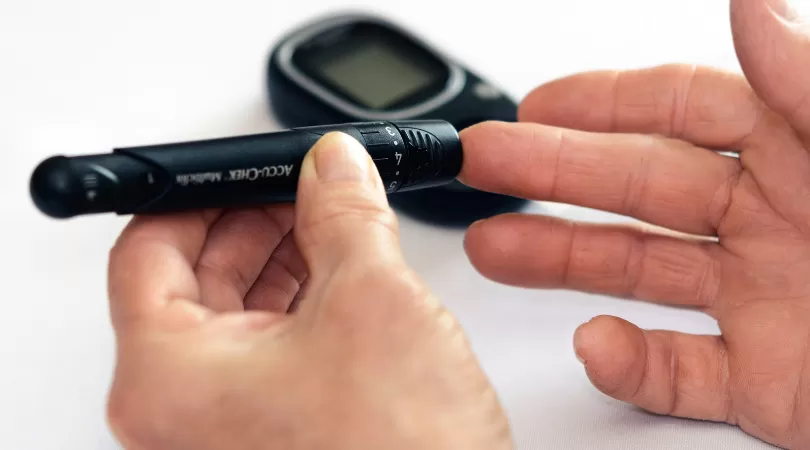
Type 2 Diabetes Prevention Week is taking place from Monday 23rd May to Sunday 29th May this year. Diabetes UK joins NHS England as proud campaign partners for this annual awareness week.
For this year’s Prevention Week campaign, NHS England has created a digital toolkit which includes everything you need to support the week digitally, including social media posts, animations, web banners and more.
There are 13.6 million people in the UK at increased risk of developing type 2 diabetes. But for many people there are steps you can take to reduce your risk.
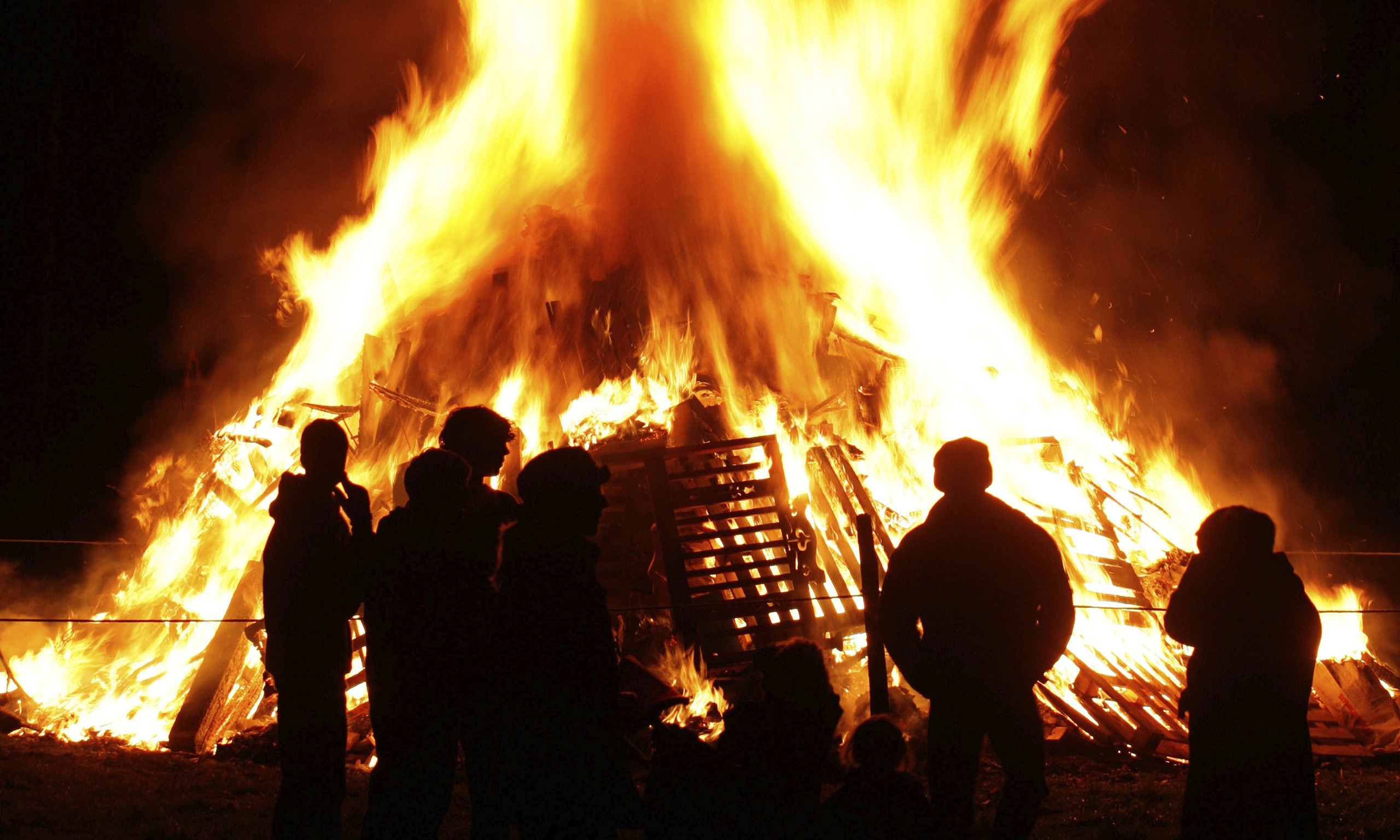
This weekend Bonfire Night will be celebrated around the UK. According to statistics from The Royal Society for the Prevention of Accidents around 1,000 people visit A&E for treatment of firework related and other bonfire night related injuries in the four weeks around the event.
Although Bonfire Night is certainly a time for fun, we’ve written this blog to provide first aid tips that are simple to learn and well help you to be prepared to treat any of these injuries if they occur.
Burns or scalds
– Run the burn under cold water for at least 10 minutes. Skin needs to be completely cool to prevent pain, scarring or any further damage.
– Remove any jewellery or clothing that is near the burn – do not remove if they are stuck to the burn.
– Don’t pop any blisters or apply creams – doing this risks making the injury worse.
– One the burn is cooled, cover with a plastic bag or clingfilm.
– If necessary, treat a casualty for shock by laying them down with their legs raised above the level of their heart e.g. on a chair.
– If the burn is on a child, or, if you think the burn is serious (e.g. deep, larger than the size of the casualty’s hand, on the hands, feet or face) call 999/112 for an ambulance. There will also be first aiders at almost all public firework displays in the UK so keep an eye out when you get to the event in case you need to go and get help.
– Do not rub the casualty’s eye or let them rub the eye as it will make it worse.
– Pour clean water over the eye to wash out what is in it or to cool the burn.
– If this does not work, try to lift the debris out with the damp corner of a clean tissue.
– If this also does not work, cover the eye with a clean dressing (if a dressing is not available make sure you use a non-fluffy material).
– Take the casualty to the nearest hospital.
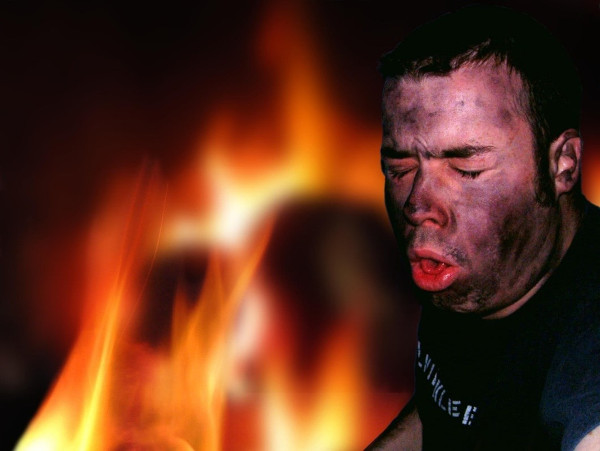
– Move as far as possible away from the smoke so that you/they can breathe in fresh air.
– Sit down or help the casualty to sit down in a comfortable position and loosen any tight clothing around the neck to help breathe normally.
– If you/they do not recover quickly, call 999/112 for an ambulance.
In the UK, a sobering statistic reminds us that approximately 460 individuals lose their lives to circulatory diseases every day, translating to one tragic death every three minutes. The importance of this information cannot be emphasised enough. However, the simple knowledge of First Aid and CPR presents a remarkable opportunity – it can increase a heart attack victim’s chance of survival by a staggering 80% when administered promptly. These are not just skills; they are lifesaving tools that can make the difference between life and death for anyone in need, be it a loved one or a stranger on the street.
But how do you go about performing CPR when it becomes a critical necessity? In such a situation, calling 999 and initiating CPR immediately is paramount. On our First Aid Training courses we teach CPR in-depth and how to use a defibrillator. But for now, we have included the steps to act immediately when faced with an emergency.
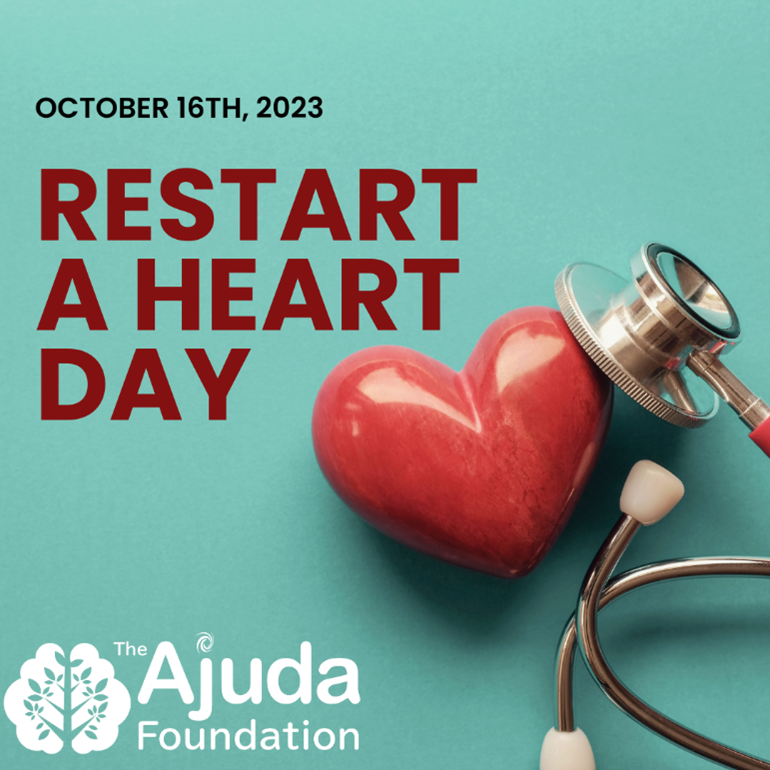
The Restart a Heart Project:
The Ajuda Foundation has created ‘The Restart a Heart Project’ which launched last year in the Fairwater Community of Cardiff. This initiative aimed to provide CPR and Defibrillator (AED) workshops and training that will benefit not only Fairwater’s residents but also those in the surrounding areas. We have taught over 1000 children with our free CPR sessions which have been funded by generous donations that we’ve received from individuals and local businesses.
The Restart a Heart Project is the brainchild of The Ajuda Foundation and its dedicated volunteers. Funding for this project primarily comes from The David Hill Memorial Fund.
The David Hill Memorial Fund was established by David’s family as a heartfelt response to the tragic loss of Dave, fondly known as ‘Hilly, who unexpectedly suffered cardiac arrest on July 18th, 2022. Hilly, a native of Grangetown, Cardiff, later made Fairwater his home alongside his wife, Deb’s.
A devoted farther to sons Rhys and Nathan, as well as stepchildren Stacy, Amy, Cameron, Jack, and Connor. Dave also cherished his role as a loving grandparent to five grandchildren – Jacob, Madison, Kaitlyn, Scarlett, and Reuben. Dave’s professional journey as a lifeguard equipped him with CPR and Defibrillator training, making him well-prepared to save lives.
Hilly was a beloved figure among all who crossed his path, a respected member of the local community, and someone who always went the extra mile to assist others. Now, we endeavour to perpetuate his legacy through the Restart a Heart Project, which will impact CPR and AED skills to both children and adults.
Utilisation of Funds:
The objective of this project was to create legion of “Hilly’s Heroes” and educate them in vital CPR techniques and the safe utilisation of AEDs. The legacy project started with aspirations to enhance the safety of Fairwater’s residents, and now with additional funding, we are fully committed to extending its reach to raise awareness about early CPR and AED use throughout Cardiff and its neighbouring regions.
As we observe Restart a Heart Day, we are reminded of the incredible potential that knowledge holds and its capacity to transform our communities. The David Hill Memorial Fund and the Restart a Heart Project states how even in tragedy, hope can be kindled, and loss can become an opportunity to save lives.
By arming ourselves with the knowledge of CPR and defibrillator usage, we can all become heroes, much like Hilly. We possess the power to enhance the safety of our neighbourhoods, strengthen our communities, and make our world a better place. Let us honour his memory committing to equip ourselves with these life-saving skills. Together, we can bring about positive change, one heartbeat at a time.
Choose your preferred date and book yourself onto a CPR / First Aid course here!
For more information on our First Aid courses contact us on:
02920 576883 or email admin@ajuda.org.uk