Defibrillator delivered to lucky school by Ajuda

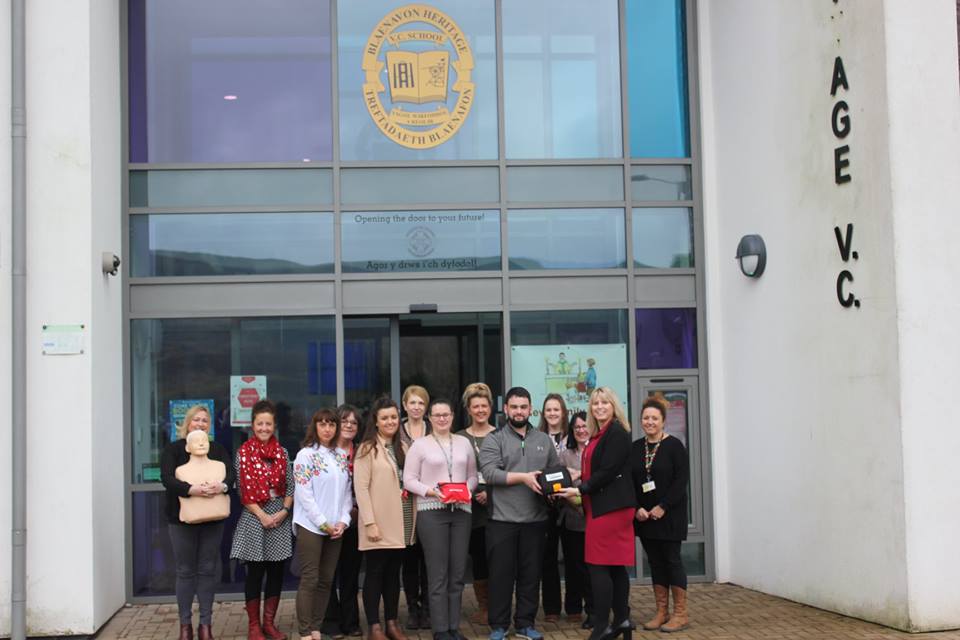
We are thrilled to announce that the winner of our free defibrillator competition that we ran at The National Education Show last month is Blaenavon Heritage VC Primary School. The defibrillator was delivered by our Managing Director, Dawn, on 21st November along with a practical demonstration of how to use it for the staff.

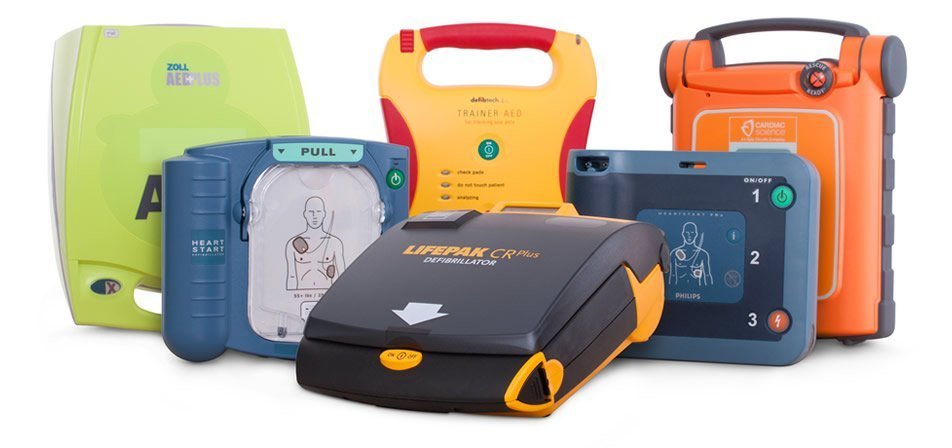
On average, defibrillators are worth between £1,000 – £1,500. The model that we have given as a prize is the LIFEPAK CR Plus AED. The school and the nearby rugby club had previously been fundraising for a defibrillator earlier on in the year but unfortunately, the fundraiser fell through at the last minute. Winning this prize has come as a very welcome surprise to all members of staff at Blaenavon Heritage VC Primary and to members of staff at the adjoining leisure centre. All staff, parents, pupils and members of the public in close vicinity can feel protected and assured that they are in a heart safe area.

IMG_4925

“I am absolutely thrilled to be in a position where I can give away one of these incredible devices. I’m really passionate about introducing more and more defibrillators into public spaces and ultimately saving lives. Thanks to a life-saving defibrillator and CPR training, my father is alive today. The fact that the defibrillator can be accessed in both the school and the leisure centre in Blaenavon is fantastic news” said Dawn after delivering the special prize.

The defibrillator will be used to give a high energy electric shock to the heart through the chest wall to someone who is in cardiac arrest. Sudden cardiac arrest (SCA) can affect people of all ages, gender, ethnicity and fitness levels. According to Resuscitation Council UK, a staggering 270 children die every year from SCA at school whilst 12 people under the age of 35 die each week due to SCA. If CPR is performed alongside the use of a defibrillator within the first 3-5 minutes, survival chances increase from 6% to 74%.

IMG_4934

These statistics highlight how crucial it is that schools are as prepared as possible to help somebody who has suffered a cardiac arrest. With their previous first aid training and their new defibrillator, Blaenavon Heritage VC Primary School is now one of the safer schools in Wales. Having a defibrillator on-site means that both the staff and the pupils are protected whilst at school. We are delighted to have played a part in creating a new heart safe area in Wales and are dedicated to introducing defibrillators into as many public spaces as possible.

IMG_4940

Have you spotted a defibrillator in your local area? If so, let us know or send us a picture on Twitter @ajuda_training.

How to stay safe on Halloween

Happy Halloween!

pumpkin-2892303_960_720

We all love Halloween; from trick or treating to ghoulish parties, there is something for everyone.

Unfortunately, there are risks that everyone should be aware of around this time of year – particularly if you also have young children to consider. We have written this blog to highlight some of the risks associated with Halloween that don’t come down to scary characters such as witches or ghosts.

As big fans of Halloween, we want to ensure that everybody has fun whilst remaining vigilant and safe.

Trick or Treating Safely

Walk Safely

– Cross the street at corners, using zebra crossings and the green man where possible.

– Look left, right and left again when crossing the road and ensure you keep looking as you cross.

– Don’t look down at your phone or other electronic devices whilst walking, particularly when crossing the road.

– Always walk on the pavement.

– Keep an eye out for cars that are turning or parking. Teach children to never run out into the street or cross between parked cars.

Trick or Treat with an Adult

– Any children under the age of 12 should not be alone at night without adult supervision. If children are mature enough to be out trick or treating without adult supervision, they should be in familiar areas that are well lit and go out in groups.

– If children are old enough to go out on their own, walkie talkies are a great way to keep in touch and ensure that they are safe.

Other tips and tricks

– Consider giving your child a torch to carry and adding glowsticks to their costume to improve visibility

– Ensure that children bring all sweets home to check for choking hazards or allergies and that all sweets are wrapped.

– Tell children to respect neighbours and do not enter any house under any circumstance.

– Set a route and time for return.

trick or treating

Keep Costumes Safe

– As already touched on, decorate costumes and bags with reflective tape, stickers or glowsticks. Choose as light colours as possible.

– Do not obstruct vision – choose face paint and make up where possible rather than masks.

– Make sure the costumes fits to size to prevent slips, trips and falls.

– Ensure you choose a costume that is not flammable. There have been many horrifying cases where children or adult costumes have caught fire causing severe injuries. Halloween costumes are listed at toys and are not subjected to regulated clothing standards, which means that a child’s outfit does not have to be fireproofed to the regulated standard.

– Leave sharp and pointy props at home.

costumes

Driving Safely on Halloween

Even if you are not taking part in Halloween celebrations it is incredibly important to stay vigilant and drive safely.

– Drive slowly particularly in residential areas. Excitable children can move in unpredictable ways. Anticipate heavy pedestrian traffic.

– Take extra time to look for children at junctions, crossing the road and when parking.

– Enter driveways and lanes slowly and carefully.

– Eliminate any distractions inside your car e.g. loud music so that you can concentrate and the road and your surroundings.

– The most popular trick-or-treating hours are between 5:30 and 9:30 pm. So be especially alert for children during these hours.

Woman driving

So, there you have it, your guide to a safer Halloween. We’d love to hear from you about what you’ll be up to on Halloween – get in touch via twitter @ajuda_training. Remember to have fun, stay safe and have a very Happy Halloween!

pexels-photo-163950

An insight into Education and Training

Last week Ajuda ran a Level 3 award in Education and Training at our training academy in Cardiff Bay. The intensive course ran over 5 days.

Education and Training 1

The course covers the basics of teaching in further education. Topics covered on the course include; roles, responsibilities and relationships in education and training, inclusive approaches to teaching and learning, lesson planning, assessment, record keeping, use of resources, how to motivate learners, communication and questioning skills, legal requirements and the development of English, Maths and ICT skills.

Education and Training 2

Our delegates also successfully delivered 20 minute micro-teaches at the end of the course.

“Great fun and a great experience – I learnt so much” said delegate, Ross.

The delegates delivered micro-teaches on a huge variety of topics such as, how to peel a banana, how to make a cup of tea, sexual education and how to put on a condom correctly, how to make a paper aeroplane, customer service skills and mental health and wellbeing.

image4Education and Training 4

Delegate, Daisy, said that “the atmosphere on the course was consistently welcoming and inclusive. The tutor, Menna, ensured that everyone respected each other and was comfortable throughout the week. Although we all had varying levels of experience in teaching and training (I had none), we were all brought up to the same level and I left feeling confident in delivering a lesson. A sometimes challenging but overall fantastic week. I would 100% recommend this course to anyone who is looking to start training.”

Education

Although the week was incredibly challenging and intensive for the delegates, they absolutely smashed it. Ajuda are proud to have trained 4 brilliant teachers ranging from, first aid trainers, an SIA trainer and a mental health awareness trainer. Good luck in the future everyone!

For more information about the Level 3 award in Education and Training qualification, please see here.


Win a life-saving defibrillator for your school!

NES-Logo-RGB-01Ajuda are excited to be giving away a FREE defibrillator at The National Education Show in Cardiff City Hall on 13th October. Visit us at stand 120 to enter our prize draw and potentially win a life-saving defibrillator for your school.

A defibrillator is an important piece of equipment that can truly help to save a life by giving a high energy electric shock to the heart in certain types of cardiac arrest. Cardiopulmonary Resuscitation (CPR) alone raises a person’s chance of survival from a cardiac arrest to 4%; CPR combined with the use of an AED can increase the chance of survival to 74%.

If you are attending The National Education Show next week, please come along to our stand and get involved.

Watch our video to see what our MD, Dawn, has to say about the exciting giveaway:

Are you interested in becoming a trainer?

teach-1968076_960_720Ajuda will be running a Level 3 award in Education and Training course from 16th October – 20th October. Formerly known as PTLLS, the Award in Education and Training is a short course that is designed to enable a wide range of students to undertake teaching, training or other learning tasks relevant to their own training or teaching situation. The Level 3 Award in Education and Training is an important qualification for anyone working in or interested in working in teaching. It is suitable for those already in education, who want to gain formal recognition of their skills, and for those with no teaching experience at all. It is recommended for all teachers new to the sector, whether in further education, adult and community learning, work-based learning or other parts of the learning and skills sector.

Teachers play an important role within society and can have a large impact on the lives of those that they teach. This makes teaching and training an extremely worthwhile career.

The course will cover:

– Unit 1: Understanding the roles, responsibilities and relationships in education and training.

– Unit 2: Understanding and using inclusive teaching and learning approaches in education and training.

– Unit 3: Understanding assessment in education and training.

Dates: 16th – 20th October

Time: 9:30 – 4:30

Location: 15 Mount Stuart Square, Cardiff Bay

Cost: £525+VAT

Paediatric (1)

For more information or to book yourself or someone you know a place, please contact Daisy on 029 2057 6883 or admin@ajuda.org.uk

Ajuda’s Mike to talk fire safety in schools at The National Education Show

The National Education Show launches in Cardiff on the 13th October at Cardiff City Hall. Ajuda are excited to be exhibiting at the show – you can find us at stand 120. One of our trainiers will also be talking about Fire Safety.

NES-Logo-RGB-01

Mike PrattMike Pratt

We are pleased to announce that Ajuda trainer, Mike, will be speaking at The National Education show. His seminar will be about fire safety and precautionary measures within a school environment.  Mike is a retired fireman with 30 years of first-hand experience behind him.  At the show he will be demonstrating to attendees how they can keep their school safe by preventing any potential fire hazards. During his talk, Mike will take you through the importance of a safe escape plan, the use of fire extinguishers and dealing with the aftermath of a school fire.

Although the number of school fires has been in decline since 2001 (from 1,600 to 600 school fires per year), if a fire does occur, the impact can be devastating. Mike will guide you through the implications of school fires such as the immediate aftermath and the longer-term issues. He will talk about how these will effect staff, students and parents alike. For example, casualties, school closures or relocation.  All schools must ensure that fire precautions comply with all relevant health and safety, including The Regulatory Reform (Fire Safety) Order 2005, and The Education (School Premises) Regulations 2012.

Want to know more?

For more information about booking on to Mike’s talk or attending the show in general, please contact Trudy on 029 2240 0382 or nationaleducationshow@gmail.com

For information about booking Fire Safety and the Role of the Fire Marshal training for your school, please contact Daisy on 029 2057 6883 or admin@ajuda.org.uk

IMG_0305

World First Aid Day 2017

On 9th September, it will be World First Aid Day 2017. This campaign was introduced in 2000 by The International Federation of Red Cross and Red Crescent Societies.

World First aid day


It is most likely that if you have to perform first aid, it will be on someone that you know. It could be a family member, a friend, a work colleague or a young child that you know. First aid emergencies can range from bleeding, choking and CPR. Once acquired, first aid knowledge is something that you will take with you every day throughout your life, equipping you to remain calm and save someone’s life in an emergency.

Youtube1

This year the campaign is focussing on domestic accidents. These could include burns, slips and trips, cardiac arrest and many more.  You do not require previous medical knowledge to learn basic first aid skills. Knowing how to handle emergencies around the house (and anywhere else!) is a vital life-skill.

How can you get involved?

– Invest in a good quality first aid kit. First aid kits are essential to every home and should hold various items such as, plasters, bandages, antiseptic cream, thermometer and painkillers. Having all medical items in one place during an emergency is incredibly helpful and will save time and reduce pressure, allowing you to act more efficiently.

165 Grab Bag Kit

– It is important (particularly if you have children in the home) to risk assess and maintain a generally safe environment to reduce the likelihood of preventable injuries. Read our blog about how to keep your home safe here: https://www.ajuda.org.uk/how-to-make-your-home-safer/

download (1)

Learn

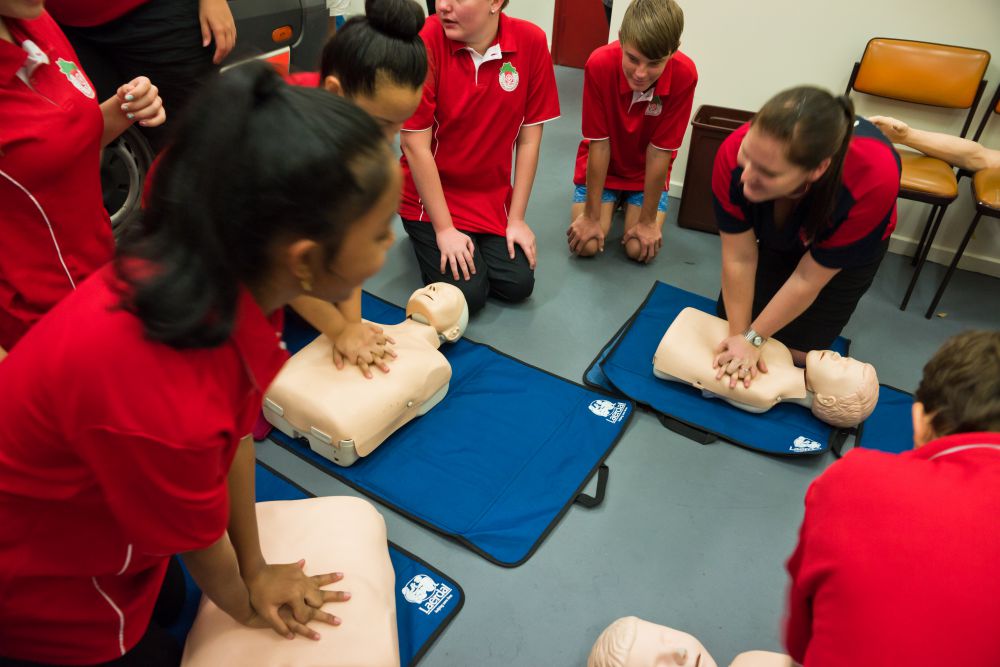
Book yourself onto a first aid course to learn first-hand how to handle medical emergencies. Basic first aid courses cover topics such as bleeding, CPR and the recovery position. To book yourself onto a first aid course with Ajuda or for more information about the courses we offer, please contact us on 029 2057 6883.

Email us on admin@ajuda.org.uk

Or check out our course calendar on ajuda.org.uk

C64YXLiXUAEdD3t

– Research. The internet is full of useful resources such as video demonstrations and in depth information about first aid scenarios. Check out our video series showing you how to handle paediatric medical emergencies here: http://ow.ly/PbMi30eValx

Youtube

Why add first aid training to the National Curriculum?


Here at Ajuda we think that introducing first aid lessons to the school curriculum is a fantastic idea.

Across the UK there are 8.4 million pupils enrolled in schools – this makes up 10% of the population! Currently, there is no obligation to teach students first aid skills within British schools. We believe that everybody should have the opportunity to learn how to save a life.

school-649389__340

In 2015, The British Red Cross* stated that 91% of students would like to have the opportunity to learn life-saving skills in first aid training.

There are countless stories in the news every year about children becoming life-savers. Often, children find themselves alone with a parent who goes into cardiac arrest, a friend who has a fall, a grandparent who becomes unconscious, and many more scary scenarios.  In these instances, children are expected to make important life-changing decisions.

Joshua Williamson Performed CPR on His Father

With training from a young age for all children, these situations may seem more manageable and there will be even more success stories in the news about young people administering emergency first aid and saving someone’s life. Teaching children these skills can only be time and resources well spent. Young people will feel empowered and more confident in their ability to help someone in an emergency.

According to The Statement on Cardiopulmonary Resuscitation, Automated External Defibrillators and Out of Hospital Cardiac Arrest** from the Welsh Government at the end of last year, the Welsh Government is fully supportive of helping young people to acquire life-saving skills and how to administer first aid in an emergency.

At the moment, all young learners in Wales are only able to learn about emergency first aid procedures through Personal and Social Education (PSE) which is part of the basic curriculum for all registered pupils. However, first aid is not a mandatory module in PSE. Whilst the basis of the subject is to give learners a balances programme that teaches them practical life-skills, unfortunately, including first aid is optional. Many, many children go without learning these basic skills during their PSE lessons.

Looking to the future, the Cabinet Secretary for Education, has accepted the recommendation of the ‘Successful Futures’ report written by Prof. Graham Donaldson. In this report, Prof. Donaldson identifies 6 Areas of Learning and Experience that are central to the new curriculum, one of these is Health and Wellbeing. He states that the curriculum should support children and young people to become health, confident individuals.

I phone 5 March 15 1010  2016-03-10 19.59.53

What happens now?

It’s time that the government commit to making first aid a compulsory part of the curriculum. In February of this year, Assembly Members such as, Suzy Davies, backed proposals to ensure that all children get trained in life-saving skills as part of their school education. They also addressed the need for making first aid equipment and defibrillators available in as many public spaces as possible.

Ajuda MD Dawn Evans, with First Aid Students

Over the years, Ajuda has been approached by many schools who have used their own initiative to organise first aid training for pupils. Ajuda have taught many students first aid skills such as, CPR, the use of defibrillators and bleeding. We have also done a lot of training for pupils taking part in the Duke of Edinburgh Scheme.

We offer competitive prices for first aid training in schools. For more information, please do not hesitate to contact us on 029 2057 6883 or admin@ ajuda.org.uk

*http://www.redcross.org.uk/About-us/News/2017/March/Red-Cross-first-aid-government-PSHE

**http://gov.wales/about/cabinet/cabinetstatements/2016-new/ouofhospitalcardiacarrest/?lang=en

Animal bites and how to treat them

This week in the news there have been 2 recent incidents in the UK involving children being bitten by dogs. It is estimated that over 200, 000 people a year are bitten by dogs and other animals. Animal bites and scratches that break the skin can damage tissues and let germs into the skin, for this reason you must treat any bite that breaks the skin to stop it from getting infected.

pexels-photo-298062

Bites from animals can be quite jagged as well as being at risk of infection. It is advised to get any bite that has punctured the skin looked at by a medical professional because quite often the wound may not look too serious, however, the bite can penetrate deeply and inject infected matted under the skin. For example, if the wound is red and becomes inflamed (hot or angry looking), the casualty will need antibiotics; if the wound is particularly large, the casualty may need stitches.

A severe infection that is commonly associated with animal bites is rabies.  Rabies is a serious viral infection that attacks the brain and the nervous system.  The virus is passed on through the saliva of an infected animal when they bite a human. Almost all cases of rabies occur abroad.   Another potential risk after an animal bite is a bacterial infection called tetanus. It is rare that animal bites can lead to these infections. Most infections come from bites from wild animals such as dogs, bats, raccoons, skunks and foxes.

dog-bite-laceration


Prevention!

Many animal bites can be prevented from occurring. Many are provoked. Always keep a close eye on children around animals (even pets!).  Teach them to be gentle around animals and not to tease them, and to stay away from wild or stray animals. Not all dogs that bite or scratch are aggressive many react because they are nervous for example, their space has been invaded, there has been a loud noise or a quick, unexpected movement.

Treat dogs with respect. Do not approach them suddenly or interrupt them when they are eating or sleeping. Avoid stroking unfamiliar dogs and, when greeting a dog for the first time, let it sniff you before touching it.

pexels-photo-332974


What to do

When someone is bitten by an animal there are certain steps and precautions that must be taken.

– Wash the bite area with soap and warm water to reduce the risk of infection.

– Raise and support the wound and gently pat it dry.

– If the bite is bleeding, apply pressure with clean gauze from your first aid kit (you can use a clean cloth if you do not have access to a first aid kit)

– If the bleeding has stopped you can apply antibiotic ointment.

– Once clean, cover the wound with a sterile wound dressing (gauze or a bandage).

– Offer the person who has been bitten ibuprofen for pain relief

It is important to reassure the casualty and to be aware that you may need to treat them for shock.


Seek medical care if:

– the bite was from:

a wild or stray animal

a pet that isn’t up-to-date on rabies shots

an animal that is acting strangely

– the bite has broken the skin or if the wound is large or deep, treat for bleeding (apply pressure and cover the wound) and call 999/112 for an ambulance

– the bite is on the face, head, neck, hand, foot, or near a joint

– a bite or scratch becomes red, hot, swollen, or increasingly painful

– you think there is a risk of rabies (you need to get them to hospital as fast as you can)

– the wound is dirty

– your child (or the person bitten) is behind on shot or has not had a tetanus shot within 5 years

344 Relisport Stadium Kit160 Child Care First Aid Kit

We are big dog lovers over at Ajuda HQ so we have collected this information to help people avoid getting in a situation where they are bitten by a dog (or other animals). We strongly advise that all parents have an accessible first aid kit with them that they use in the case of an emergency such as an animal bite. If you are interested in learning more first aid skills, we run open courses every month. For more information please contact us on 029 2057 6883 or email daisy@ajuda.org.uk.

Is your child’s school fire safe?

After recent news reported that cladding on two of the schools that have been tested so far following the Grenfell fire has failed combustibility tests, according to the Department for Education.  The department has ordered all schools and colleges in England to carry out fire safety checks*. The same holds true to schools and colleges across Wales too – school fire’s can be detrimental.

Ajuda fire course

The costs of a fire within a school can be significant. While financial costs may be great, the cost to the community can be even greater. For example, casualties, school closures or relocations, loss of jobs and the detrimental effect on local businesses. It is for this reason that Ajuda Training Service works with schools to provide advice and guidance on how to protect students and staff from the potentially devastating effects of fire.

To keep students and staff safe from fire, it’s important that schools:

– know how to keep themselves safe from fire

– are informed about and comply with fire safety legislation

– complete a fire risk assessment and ensure that these are kept up to date

– ensure procedures are in place to reduce the likelihood of fire

– maintain the fire detection and alarm systems

– ensure that staff and pupils are familiar with emergency evacuation procedures

1383131318-1024x683

All schools are different. They have different layouts and occupancies, and some schools may also have pupils and/or members of staff with special educational needs. Therefore, each school must develop its own procedures for managing fire safety. When developing this, schools should consider all the key issues presented to them.

By law schools are required to undertake risk assessments to identify the general fire precautions needed to safeguard the safety of pupils and staff alike in the case of a fire, including a safe means of escape.

860-header-early-fire

Ajuda Training Service is available to provide further advice and assistance so please contact us. We also run Fire Safety open courses every month if you require just a couple of members to be trained in Fire Safety.

*News report from BBC News http://www.bbc.co.uk/news/education-40594362

Keeping yourself and your family safe over the summer holidays

The summer holidays are here!

Family_summer

For some this may mean 6 weeks with the family – for you, we’ve written this blog about how to stay safe at home over the coming weeks whilst still enjoying yourself and relaxing.

Sun Cream

Firstly, and very importantly, when the sun is out (admittedly this may not seem too often) sun cream is a must.  Whilst Britain may not be the hottest place on earth, there is still a certain risk of burning our skin whilst spending time in the sun. You may be in the garden relaxing on the sun lounger or hiking with the family, you’re still at risk.

You must apply sun cream before you venture outside, even if it does look a little overcast outside. It is particularly important to ensure children are also wearing sun protection including cream and a hat. Make sure that the sun cream you use is a high SPF (30+) and has a high UVA star rating to ensure that you are well protected from the hot sun.

Also, remember to keep reapplying sun cream throughout the day, particularly if you have been for a dip in the sea or a pool. If, unfortunately, you do burn, make sure that you moisturise the area with after sun cream or Aloe Vera to soothe the skin. Stay in the shade to prevent any further damage.

Summer_skincare

Burns from the BBQ

BBQ’s are a staple to British summertime. We don’t know anyone who doesn’t love a social gathering in the sun with the smell of food being cooked outside on the BBQ (perhaps more too often, the smell of charred food nonetheless). It’s not just the food that often ends up burnt during the fun of a BBQ. Unfortunately, our willing chefs sometimes end up burning themselves whilst cooking our delicious burgers and sausages.

Treatment will differ depending on the severity of the burn:

First-degree burns – these affect the top layer of skin and can be treated by running the affected area under cool water for 10 minutes.

Second-degree burns –  this type of burn needs to be immersed in water for 10 – 15 minutes. It’s very important to remember not to apply ice to the affected area as this can reduce the patient’s body temperature. Second-degree burns can lead to shock, in this instance, ensure that you lay the victim down on their back with their feet elevated 12 inches off the floor (on a chair is good). If possible, the burnt area should be elevated above the heart and the victim should be covered with something (e.g a blanket) to avoid their temperature dropping.

Third-degree burns – call the emergency services immediately! Unlike first and second-degree you should NOT immerse third-degree burns in cold water. Cover the burn with loose, non-stick bandage. Like second-degree burns, the victim should be laid down with their feet elevated to avoid shock. You should regularly check their pulse and monitor their breathing until the emergency services arrive at the scene.

Summer_BBQ

Staying safe in the sea

If we’re lucky and the sun comes out to say hello, there are plenty of beautiful beach destinations throughout the UK. It’s all fun and games splashing about in the sea with each other. Please, please be aware, however, of the severe dangers of the sea as well.

Be aware. Before slipping into your swimwear, do your research. For example, you should check tide times and make sure that there will be lifeguards present during your visit. Read and obey local hazard signs.

Swim between the red and yellow flags. This is so that the lifeguards can see you if you get into any danger but also so that you don’t go too far out to sea. Never swim in the sea on your own – stay with children at all times if they are going in the sea.

If you do find that you or anyone in your group gets into trouble, stick your hand in the air and shout for help. If you see someone else is in trouble, tell a lifeguard or call 999 or 112 and ask for the Coastguard.

If you plan on using inflatables, ensure that you stay between the red and yellow flags. You should never take them out in big waves or strong winds. We recommend that inflatables are best kept for use in swimming pools as they are lightweight and can easily be swept away from the shore.

Rip currents are strong currents running out to sea. They are a problem for surfers, swimmers and body boarders as they can quickly and easily drag you out to sea, far beyond your depth. If you get caught in a rip current:

– Stay calm

– Wade, don’t swim

– Keep hold of your board or inflatable to help you float

– Raise your hand and shout for help

– Never try to swim directly against the rip or you will get exhausted

– Try to swim parallel to the beach until you are free of the rip, then make for shore

Summer_Sand

First Aid Kit

Leading on nicely from burns, wherever you are, make sure you have a first aid kit handy because accidents can happen anywhere. A first aid kit will ensure that you can be prepared for injuries.

The HSE recommends that you have the following in your first aid kit:

– First aid general leaflet

– Sterile, individually wrapped plasters

– Sterile eye pads

– Safety pins

– Medium and large, sterile, individually wrapped unmedicated dressings

– Disposable gloves

Obviously, it is important to include things in your first aid kit that are relevant to where you are and what you are doing. Ajuda supplies a huge variety of different first aid kits here.
How safe is your building?

In light of last weeks tragic event in London, we have decided to focus this week’s blog on how to ensure that your building is as fire safe as it can be. Following on from our last blog regarding the importance of Fire Drills in the workplace, we will be highlighting prevention and protection measures that you can take.  In a time where many people will be feeling incredibly worried about how to protect their buildings from fire, Ajuda will be offering a 20% discount off any of our in-house and our online Fire Safety courses.

IMG_0305

Prevention

Fire prevention is the act of stopping fires from occurring. It is just as important to have a Fire Prevention plan in place as safety measures in the actual event of a fire.

Fire prevention measures may include matters such as:

– The prohibition of smoking on the premises.

– Adequate cleaning of work areas – keeping them clutter free. Bad housekeeping can not only cause a fire and help it spread, it can also hinder safe evacuations, obstruct access to firefighting equipment and obstruct fire exits.

– Avoiding the use of portable heaters and coolers.

– Preventing the accumulation of easily ignitable rubbish or paper.

– Regular risk assessments.

– Put in place security provisions that may help to reduce the risk of an arson attack.

– Positioning of heat sources to prevent contact with combustible material such as paper.

– Regular maintenance programmes of electrical equipment and wiring.

– Positioning of heaters and other machinery so that ventilators aren’t obstructed.

– Report electrical hazards.

– Never block sprinklers, firefighting equipment or emergency exits. Observe clearances when stacking materials.

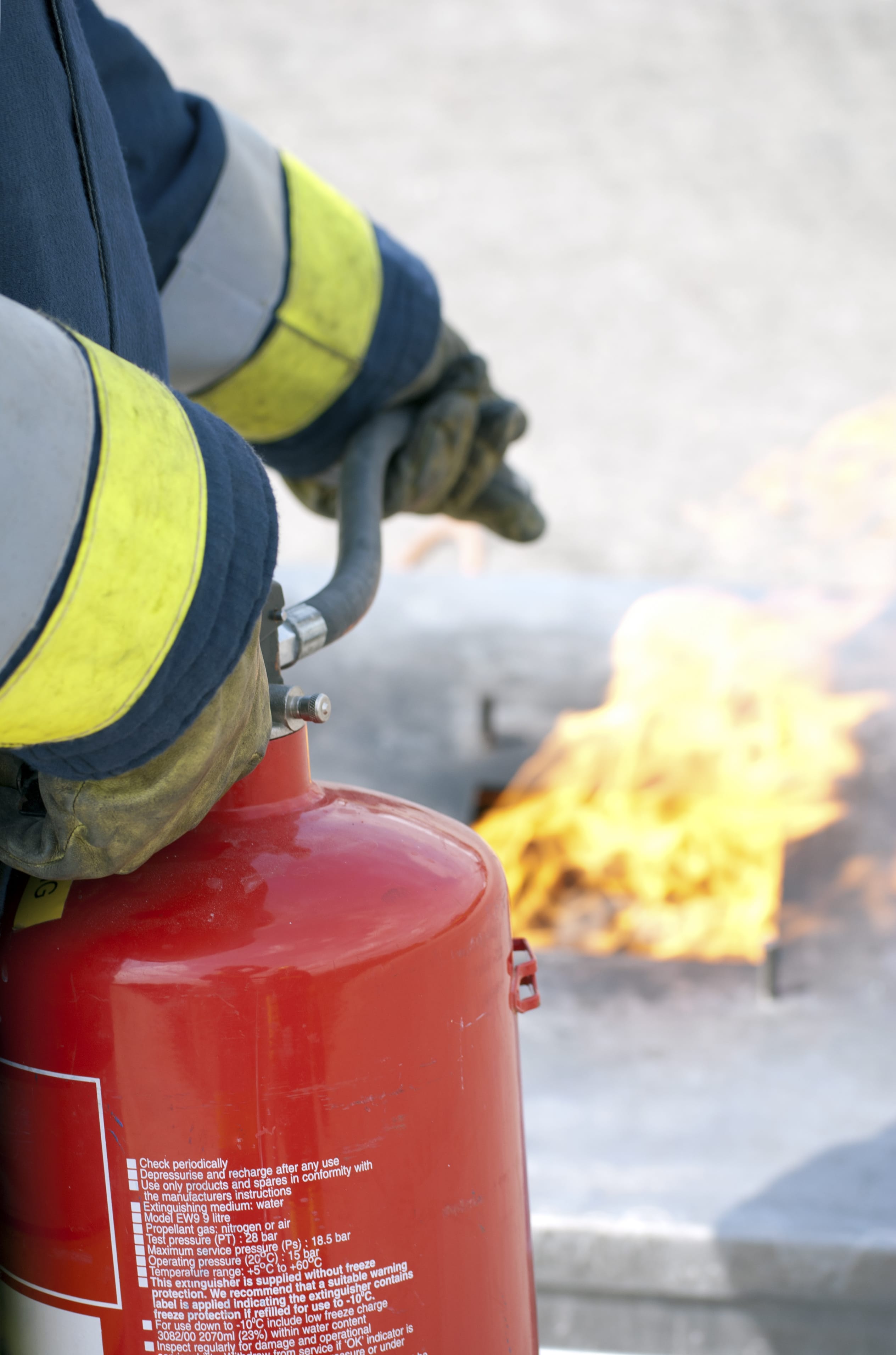
– Ensure at least one person in the building is trained in how to use a fire extinguisher correctly.

Basically, fire prevention is focused on the principle of keeping fuel sources and ignition sources separate. If something creates heat, keep things that burn away from it.

1_1_a_exit

Protection

Fire protection can save lives and minimise the amount of damage when a fire does occur. Some fire measures are built into a property whereas others can be introduced later (sometimes as a result of a fire risk assessment). There are two types of fire protection measures, either active or passive controls:

An Active Control Measure requires an action by somebody or something (e.g automated system) when a fire is detected. Examples include:

– Fire alarm systems

– Smoke detectors

– Emergency lighting

– Sprinkler systems

– Fire extinguishers, blankets and hoses

A Passive Control Measure are usually physical features that have been designed to make a building safer. Examples include:

– Compartmentation (e.g. fire-resistant walls, ceilings and doors to restrict fires from spreading)

– Fire exits

– Multiple escape routes and refuges

– Clear signage and emergency lighting

sprinkler.1200x627

If you would like to take advantage of our current discounts please click here for our online training portal and here for our in-house fire safety course.