
How to ensure that your workplace fire drills are efficient


Everyone has experienced a fire drill in their lifetime. We’ve heard plenty of stories about evacuations in the cold rain or during important meetings. Whilst we may moan about the inconvenience, it is important to remember that fire drills are just as essential to fire safety and prevention as fire alarms and fire extinguishers.

We’ve put together a handy guide for you highlighting the significant of fire drills and how to implement them successfully within your place of work.

fire-298105_960_720


Why?

“According to the Regulatory Reform (Fire Safety) Order 2005, a fire drill must be carried out at least once a year, and all staff must be part of a fire drill at least once a year.”

Not only is it a legal requirement to carry out regular fire drills within the workplace, there are plenty of other reasons to implement them.

– Fire drills help to form part of an effective fire protection strategy alongside fire alarms, extinguishers and signs.

– To ensure that all members of your staff are aware of their own role in the event of a fire. It is common for people to panic when fires occur, so, being clear on what is expected of them beforehand (e.g. raising the alarm) is an effective way to prevent mistakes from occurring.

– Furthermore, this ensures that all staff are aware of all areas of the building.

– Most importantly, implementing effective fire drills protects all staff and visitor from harm.

images (5)

Who?

The appointed fire marshal will regulate when the fire drill takes place alongside senior management. From their training, the fire marshal will have a clear set of objectives that need to be met at each drill, e.g. the whole building being evacuated within a previously set time.

How?

1)Select fire alarm call point to be tested

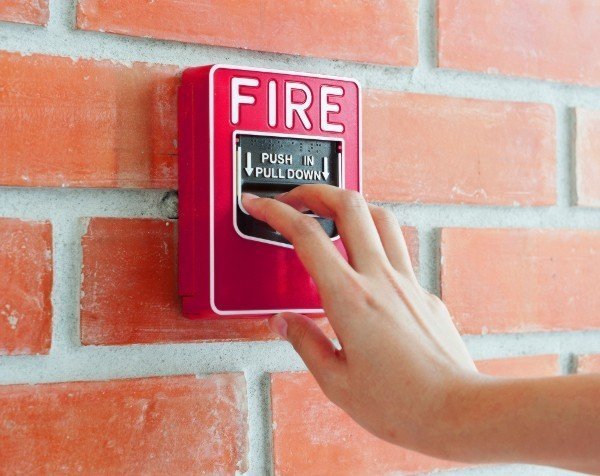
2)The fire marshal must sound the alarm via the selected call point

3)Once the alarm has sounded, any fire wardens or other appointed persons (such as First Aiders) should undertake their trained role

4)All people in the building miss leave out of their nearest designated fire exit

5)Fire wardens will make sure that the areas they are responsible for are clear

6)Every person in the building must assemble at the official Fire Assembly Point

7)Fire Marshals will call register to ensure that everyone is accounted for

8)Once the objectives have been met, all personnel will be given the notification to return to the building

download (1)

What to Record?

It is important that the fire marshal records each fire drill in the Fire Log Book. he fire marshal is to record the drill in the Fire Log Book. Within this, they will record:

– The date and time of evacuation

– The call point tested

– The amount of time the evacuation took

– Delays or hazards encountered during evacuation

– Additional info such as whether the alarm sounded everywhere in the building, did all automatic doors release etc.

How to Assess Outcome?

Assessing the outcomes of a fire drill is fairly simply, all you need to ask yourself is:

– Was the evacuation a success/did it go to plan?

– Did you or anyone else pick up on any issues during the evacuation?

– Does the Fire Risk Assessment need to be modified?

– How will changes be assessed in future?

How to make Fire Drills more interesting

Regular fire drills can become boring to those who have to take part. You can certainly make drills a little more interesting by preparing your staff for unexpected obstacles during their evacuation. For example:

– Lock or block a fire door

– Ask member of staff to fake injury

The whole reason we implement drills is to prepare people for the worst-case scenario. If a fire did occur, there would certainly be unplanned obstacles that might slow people down or confuse them. By adding variables such as the above, you can make your drill more realistic and monitor how staff respond to added stress factors.

download (2)

What is a Personal Emergency Evacuation Plan?

A Personal Emergency Evacuation Plan (PEEP) is an adapted evacuation plan for individuals who may not be able to access the fire assembly point without assistance within a suitable amount of time in the event of a fire emergency.

A Personal Emergency Evacuation Plan may be required for staff who have:

– Mobility impairments

– Sight impairments

– Hearing impairments

– Cognitive impairments

A temporary PEEP may be required for:

– Short term injuries (e.g. broken leg)

– Temporary medical conditions

– Pregnant women

If you are interested in becoming a Fire Warden for your business or would like to learn more about general fire safety, Ajuda offers both in-house or online training in this subject. For more information please contact daisy@ajuda.org.uk or call us on 029 2057 6883.

fire online training (1)

Why is food hygiene training so important to your business?


With nearly 30,000 businesses failing inspections in the UK, it’s clear that we need greater recognition of the importance of adhering to food hygiene regulations. Receiving food hygiene training is an essential part of this.


537a6d8babfd8_78187117


If your business produces, serves, or sells food in any shape or form, be it a restaurant, corner shop, or hotel, or an educational establishment like a school, college, or playgroup, it must be compliant with food hygiene standards. Not only is practising good food hygiene important from a legal perspective, it also crucially prevents damaging both the health of your customers and the reputation of your business. And with your food hygiene rating being publicly displayed, in-store and/or online, a good score means a better image for your business, and ultimately more customers.

As an employer, it is your legal duty to ensure that your staff receive training in food hygiene.  With so much at stake, it is easy to see why such training is essential.

Don’t miss out; book yourself or your staff onto our next course at our training centre in Cardiff Bay. Email admin@ajuda.org.uk or call us on 029 2057 6883.

World Day for Health and Safety at Work

28th April marks the World Day for Health and Safety at Work. This campaign has been ongoing since 2003. The International Labour Organisation’s (ILO) annual day brings to attention the problem of injuries and accidents at the workplace. The day concentrates on how to promote a safe workplace culture and how you can reduce the number of work-related deaths and injuries.

This year the ILO’s campaign will focus on the critical need for countries to improve their capacity to collect and utilise reliable occupational safety and health (OSH) data.  Recording this data can help to protect from and reduce workplace injuries.

Recently we wrote a blog on how to keep your office safe, you can read that here.

As well as Health and Safety courses, Ajuda offer many other health and safety related courses such as; First Aid, Manual Handling , Fire Safety and more.  For further information on any of our courses please call us on 029 2057 6883.

Health and Safety Course

This course is designed to make staff more aware of Health & safety Issues within the workplace.

The course covers many health and safety issues within the workplace such as;

– Understand current Health & Safety Legislation

– Recognise the need for Health, Safety & Welfare within the workplace

– Know the workplace and workplace equipment

– Understand the need for Risk assessment

– Understand Manual handling

– Recognise a Hazardous substance

– Understand Ergonomics and workstation design

– Describe safe systems of work in relation to Transport and vehicles

– Understand noise and vibration

health-and-safety-signs

First Aid Course

This course will give a good insight to dealing with basic medical emergencies.

By the end of the course the candidate will be able to;

– Describe the Role of the First Aider

– Deal with Incident and casualty management

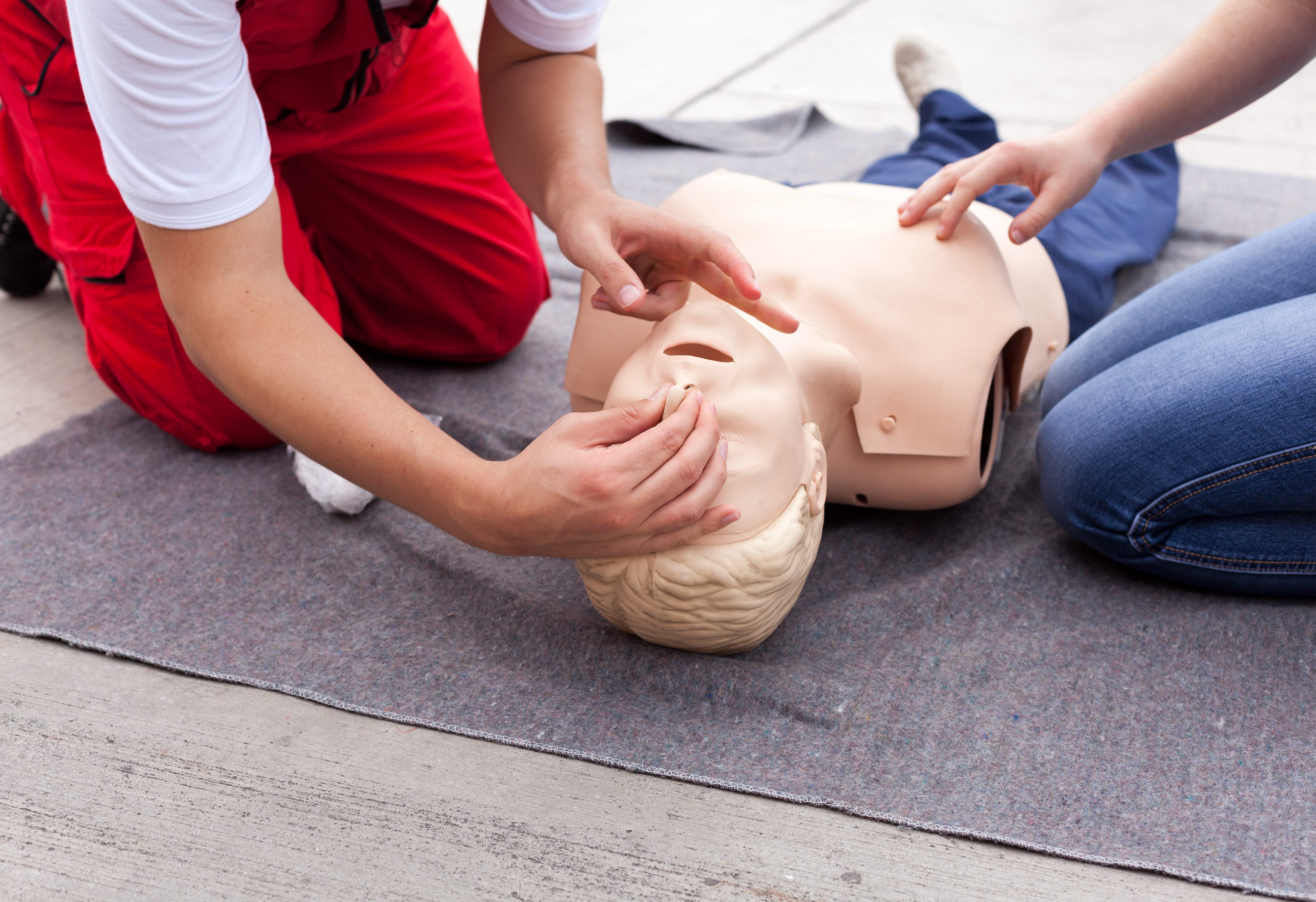
– Recognise and undertake a Primary assessment, Including CPR

– Recognise a Choking casualty

– Airway and breathing difficulties

– Examine and treat Wounds and bleeding

– Recognise and Management of a Heart Attack

– Deal with Medical conditions

– Describe producers related Recording and reporting all incidents

Nigel6 08.03.17

Manual Handling Course

Manual Handling injuries account to 36% of all reported workplace accidents. The Health & Social Care sector accounts for 54% of all reported manual handling accidents. This course will provide a consistent approach to Manual Handling that ensures best practice in accordance with the All Wales Local Government Manual Handling Training Passport & Information Scheme.

At the end of the course students will be able to:

– Describe the function of the spine

– Examine & Discuss Manual Handling Legislation

– Discuss Company Manual Handling policy’s

– Describe Ergonomics

– Examine and Discuss Manual Handling Risk Assessment

– Discuss safe handling procedures

– Explain the need for effective teamwork & communication

– Demonstrate safe inanimate load handling

ian-carrying-cylinder-on-back-done-400x300

Fire Safety Course

This course highlights the typical role of a fire warden or fire marshal within a workplace. Additionally, this course will give delegates an understanding of how fires start within buildings and the tools to assist with the development and implementation of emergency evacuation arrangements.

1383131318-1024x683

Introduction to Our Online Training: Food Safety, Fire Safety, and More


Whether you’re an individual or a business, online courses can be the ideal solution for meeting your training requirements. Ajuda’s cost-effective and high-quality online courses have trained individuals and companies from various industries, such as food, sports, education, and construction; to name but a few.

We’ve summarised some of the online courses we have on offer below, along with their prices – which, starting from just £15, make online training a very attractive option for individuals/businesses on a budget.


Food Safety

Our online training in Food Safety is a popular choice for people employed or seeking employment in the food industry. The courses cover the core topics of food safety, including legislation, personal hygiene, hazards, and prevention of contamination, giving you an all-round knowledge of how to practise good food hygiene.

There are several options from which you can choose according to the nature of your job role and your workplace environment:

  • Level 1 Food Safety. This comes in three different industry-specific versions: Manufacturing, Catering, and Retail. The qualification is ideal for anyone who needs a basic knowledge of food safety; this could be a new employee with minimal existing food safety knowledge, or an employee who handles wrapped or low-risk foods.

Price: £15 + VAT

  • Level 2 Food Safety (again in Manufacturing, Catering, or Retail). This detailed course is suitable for anyone working in a setting where food is prepared, cooked, and handled. It provides the knowledge needed to keep your workplace safe and compliant.

Price: £25 + VAT


Fire Safety

Our online fire safety courses are a great alternative to classroom-based learning. Employers can ensure that staff have the necessary fire safety awareness for their workplaces with these courses, which include:

  • Basic Fire Safety. The course modules cover essential topics such as the common causes of fire, preventative measures, and actions to take in the event of a fire. It also gives a basic introduction to using fire extinguishers.

Price: £25 + VAT

  • Fire Marshal. It is compulsory that workplaces have a sufficient number of fire marshals. This course explains the role of the fire marshal and gives a more extensive knowledge of fire safety than the Basic Fire Safety course.

Price: £35 + VAT

  • Fire Extinguisher. This will train you in the different types of fire extinguishers, when they are used, and the protocol for tackling fires.

Price: £25 + VAT


Asbestos Awareness

This course is designed for those who come across asbestos in their work, particularly construction industry workers. The modules cover all aspects of asbestos awareness. By taking the course, you will be able to recognise the different types of asbestos and know how to avoid the risks.

Price: £35 + VAT


Control of Substances Hazardous to Health (COSHH)

Covering all you need to know about hazardous substances, our COSHH online training course is aimed at anyone who is exposed to such substances in the workplace, as well as line managers with responsibility for these people.

Price: £35 + VAT


To learn more about these courses, and see what other courses we offer, please visit our website: https://www.ajuda.org.uk/online-training/. You can sign up for a free trial account and access the first module of any course for free!

Bookings of 25 or more courses can receive numerous discounts. Call our office on 029 2057 6883 for more information.

*Our RoSPA, IATP, IFE, IIRSM & CPD approved courses are owned by VideoTile Learning Ltd and are distributed under licence.


Hello Spring! Making your office safer with a little spring cleaning

This past week we’ve finally said hello to the sunshine and it feels great so it’s a grat time for spring cleaning!

With the lifting of the weather it feels like the perfect opportunity to do some spring cleaning around the office. Although offices tend to be low risk work environments, there are still plenty of hazards that can be avoided with a simple tidy up.

Read on to find out our suggestions for a safer office environment:


– Slips, trips and falls are the most common cause of office injury. According to HSE, slips and trips cause 40% of all reported major injuries in the workplace. Avoid these occurring by staying clutter free – ensuring that items such as files and boxes are stored in their correct location where they are not likely to be tripped over.

– Wire Management! We cannot stress enough how simple yet effective this one is. Wires are clear trip hazards particularly if there are many wires in a room that need to be plugged into the same area. Try cable tying wires together or using a wire duct to protect them and avoid trips. Also make sure that computer wires are going off the back of the desk not the front. If there are a lot of wires going to the same area, a surge protected extension box is important to keep electricity under control in the room. Also, ensure that wires that aren’t in use are unplugged.


– Check that all electrical items in the office are PAT tested.

– Safe stacking. Do you have a cupboard that is full of documents or items that have no place elsewhere? We do! Ensure it’s safe by storing heavy objects such as boxes close to the floor to avoid them being knocked over. Also ensure that you do not exceed the load capacity of shelves or storage units.

– General housekeeping of the office can really impact how safe it is. It is important to have an effective housekeeping plan in place to help eliminate common hazards. For example, regular cleaning and tidying ensures that walking areas are clear from trip hazards and escape exits are not blocked. It is also important to minimise fire hazards such as cardboard and dust.


– According to The Health and Safety Act (1981) is a legal requirement for employers to ensure that adequate facilities, equipment and personnel are available should an employee be taken ill or are injured at work. How many people trained in First Aid at Work required at your premises is depends on its size however, we recommend that every employee is trained in at least basic First Aid. This will mean that colleagues can act in the correct way with confidence if their medical assistance is required. This knowledge boosts morale and confidence within the workplace.

– Now is the perfect time to check that first aid kits are in date and fully stocked if not already done. This is something that should be checked relatively often – by delegating the task of checking every month the risk of stock running out or out of date is minimised


– It is also a good idea to check that all fire alarms are working, extinguishers are in date and there is an efficient fire plan in place.

– Last but definitely not least, we strongly recommend having at least several of your staff trained in Fire Safety and the Role of the Fire Marshal. This will mean that in the case of a fire, panic and human error can be reduced. Essentially this could save lives.


Make your home safer with these expert tips


In the apparent safety of our homes and the rush of our everyday lives, we may not pay much notice to hazards. It is easy to think that accidents at home, compared with those that take place on roads or in workplaces, are less frequent or severe. However, the reality is that every year thousands of accidents leading to death or injury happen at home.

The good news is that these accidents are often avoidable. Making your home a safer place begins with identifying the hazards in your home, and deciding on the best measures to eliminate or reduce them. That’s why we’ve outlined some of the major hazards in the home, and some ways in which you can improve home safety.


Slips, trips and falls

Slips, trips and falls are one of the biggest safety risks in the home, particularly if you have young children or elderly family members.

To minimise the risk, you can take the following precautions:

– Ensure that staircases have secure flooring and a sturdy handrail fitted at a suitable height.

– Falls often occur at night or in poorly lit places, so well-lit staircases – preferably with a light switch at both the top and bottom – are essential.

– Always keep steps free of clutter. Try to avoid putting anything down on the steps, even temporarily.

– Clean up spillages in the house immediately.

– Look for hazards such as worn or loose flooring, slippery mats or rugs, holes and cracks in outdoor pathways, and trailing cables. Make sure that all flooring is in good repair and minimise slippery surfaces.

– Never place rugs at the top or bottom of the stairs. Consider using non-slip underlay to keep any rugs in place, and non-slip strips or mats in the bath or shower.

– If there are young children in the home, ensure that you have an appropriate safety gate installed. Wall-mounted safety gates are generally recommended for the top of the staircase, as they can withstand more pressure than a pressure-mounted safety gate. They also do not have a bottom rail, so there is less of a tripping hazard.


Poisoning

– Store chemical products high up on shelves – both in the house and in outdoor sheds – in order to limit children’s access to them. Child-proof locks on cabinets will give added protection.

– Where possible, purchase products with child-resistant packaging.

– Avoid keeping medicines in drawers, purses or clothing.

– Be sure to keep chemical products in their containers; do not use any other container for storage purposes (for example, drink bottles or food containers).

– Do not mix cleaning products together, as this may result in harmful fumes or chemical reactions.

– Keep small batteries out of the reach of children.


Fires

– Over 200 people in the UK died in house fires in 2015, and the likelihood of dying in a fire is at least 7 times greater if there are no working smoke alarms in your home.* Therefore one of the most crucial steps in making your home safe is to ensure that smoke alarms are correctly fitted, regularly tested, and well maintained.

– It is a good idea to make a fire escape plan for your home, and discuss with household members the actions that should be taken in the event of a fire. Make sure that exits aren’t obstructed, and that everyone is aware of where door and window keys are kept.

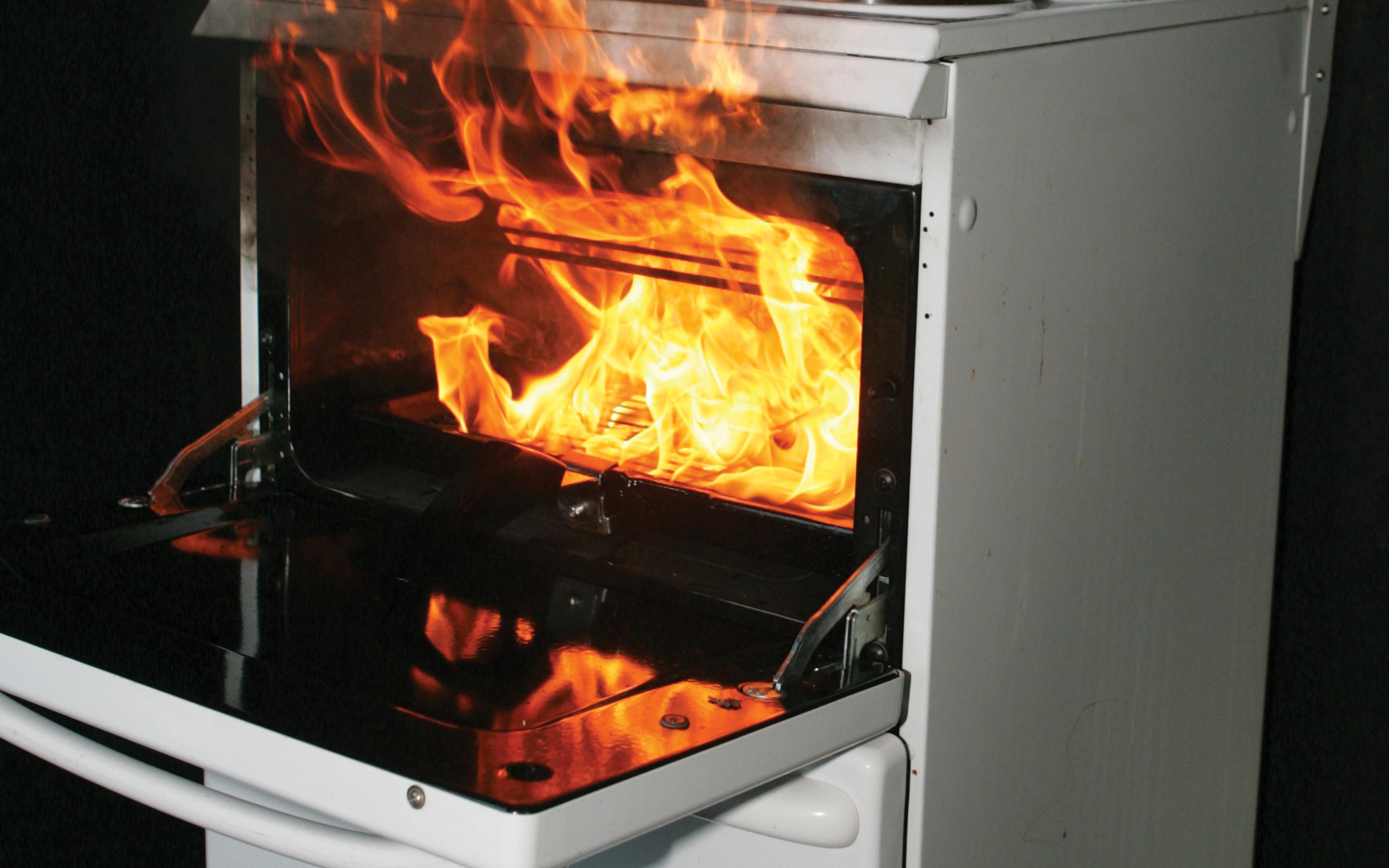
– Avoid leaving the kitchen while you’re cooking, particularly when you’re frying food. Unattended cooking is one of the leading causes of house fires.

– Take extra care when loose-fitting clothing when cooking if possible, as this can catch fire easily.

– Don’t exceed the maximum current rating of electrical sockets by plugging in too many appliances. This is particularly important for appliances like washing machines, dishwashers, and microwaves, which use a lot of electricity. One plug per socket is ideal.

– If you use candles, put them in candle holders, and make sure that they are positioned safely, away from objects that may catch fire such as paper or curtains. Remember to put them out before leaving the room, and especially before going to bed.


*Source: https://firekills.campaign.gov.uk/

Red Nose Day Mad Hatter’s Tea Party

In aid of Red Nose Day on 24th March, Ajuda hosted a Mad Hatter’s Tea Party to raise money for the very important charity. The money that is raised on Red Nose Day funds more than 2,000 projects throughout the UK, addressing issues such as homelessness, mental health, dementia and vulnerable young people. The money also helps 11.7 million people across Africa, tackling issues such as immunisation, malaria, education, maternal health and much more.  Since launching in 1985, Comic Relief has raised over £1 billion to help drive positive change using the power of entertainment.


After weeks of deliberating in the office about what we could do to raise money for this great cause, Managing Director Dawn came up with the idea of the Mad Hatter’s Tea Party (we’re all mad here!).
Considering the fact that we are only a small office, we are incredibly proud that between us, we fundraised £50. Every member of staff got involved by dressing up and bringing snacks to work and a fantastic afternoon was had by all. The total amount of money raised by Comic Relief this year is a staggering £73,026,234 so far.

The Importance of Fire Safety

Fire can have an devastating impact on anybody who is unfortunate enough to be near it. We all know that the flames and heat from a fire can cause a great deal of harm – from breathing the hot air killing a person instantly to life threatening or life changing burns on the body.  There are many other aspects of fires that can cause a great deal of harm:

– Smoke – surprising to some, the most common cause of death in fires is the inhalation of smoke and fumes.

– The damage from a fire can cause the structure of a building to collapse. People can suffer injuries from elements such as falling debris during a fire.

– Lack of oxygen.

– No escape route.


There are countless reasons why you should do a Fire Safety course. Here are our top 5:

1) Fire Prevention.

Learning how to prevent fires from occurring is a good enough reason alone to book yourself onto a Fire Safety course. It is so important to know what simple measures you can take such as keeping fire exits clear, keeping the workplace tidy, effective management of waste and understanding how to reduce the risk of electrical fires occurring.

2) Saving Lives and Minimising the Damage.

Having effective procedures and measures in place can save lives. Fire alarms, smoke detectors, emergency lighting, fire exits and escape routes are all measures that can be taken to minimise the damage of fires when they do occur. You can learn about all the fire protection measures on a Fire Safety course and what measures best suit your premises.

3) Fire extinguishers.

Depending on what type of material is burning in a fire, the extinguishers required can vary. Knowing when to use each extinguisher is vital knowledge to minimise the damage from fire. On our Ajuda Fire Safety and the Role of the Fire Marshal courses each delegate gets the chance to use a fire extinguisher after learning all about their different purposes.

4) Cost.

The average cost to a business is £21,000 per fire. In learning how to prevent fires from occurring you are largely reducing the risk of a fire in your place of work.

5) The Law.

According to gov.uk you are responsible for fire safety in business or other non-domestic premises if you are: an employer, the owner, the landlord, an occupier, anyone else with control of the premises, for example, a facilities manager, building manager, managing agent or risk assessor.

You’re known as the ‘responsible person’.

As the responsible person, you must:

– Carry out a fire risk assessment of the premises which is reviewed on a regular basis

– Tell staff or their representatives about the risks you’ve identified

– Put in place, and maintain, appropriate fire safety measures

– Plan for an emergency

– Provide staff with information, fire safety instructions and training


Our next Fire Safety Course at the Ajuda Training Academy is 19th April. To see our full course calendar please click here.


Five reasons to think about becoming a First Aid Trainier

There are many great reasons our trainers could give you for becoming a First Aid Trainer. We’ve gathered together some of what we think are the most significant pros you should seriously consider about being a First Aid Trainer


1. Educate others to save lives

The most obvious point we can highlight here is the fact that in becoming a first aid and defibrillator trainer you are educating people to save lives. You are sharing valuable knowledge with people who may well find themselves in an emergency situation where they have to administer first aid to someone. First aid is an incredibly valuable life skill to learn and passing on this important knowledge is very worthy.

2. Flexibility

If flexible working is something you require, becoming a trainer is a fantastic means to do this. Essentially this allows you the potential to work as and when you want as you are self-employed.

3. Always needed

First aid is always in demand – learning first aid skills is never going to go out of fashion which means that there will always be demand for people who can teach this subject area.

4. Career

Becoming a first aid trainer is an accessible career route. If you are aiming to be a first aid trainer within your place of work to teach other members of staff (unaccredited), other than the level 3 First Aid at Work, you do not need any other qualifications to sit this course. However, to be a freelance trainer who teaches at an accredited level you will need either a PGCE qualification or level 3 Education and Training (or the equivalent).

5. Exciting

No two days are the same. You can expect a diverse range of people who want to learn first aid. One day you might be training business associates who require this qualification for their line of work and the next day you could expect a group of young people looking to expand their CV.


We’ve got a couple of spaces left on our First Aid Trainer and our Defibrillator Trainer course running in November. Please let us know if you are interested in booking yourself onto this course as soon as possible by calling us on 029 2057 6883 or emailing admin @ajuda.org.uk


Or for more info and to book online click here

Happy International Women’s Day from Ajuda

Wednesday 8th March 2017

Happy International Women’s Day!

A key focus of today is celebrating women’s achievements in the political, economic, and social spheres. Here at Ajuda, we firmly believe that opportunities for women should be maximised in all walks of life, and particularly in business.  This would be beneficial to society as a whole, as increasing the number of women in business could bring huge economic growth – RBS calculated that ‘boosting female entrepreneurship could deliver approximately £60bn extra to the UK economy’.*

The Managing Director and founder of Ajuda, Dawn Evans, was named Female Entrepreneur of the Year 2016 at the South Wales Business Awards. Her initial business plan was to create a business that delivered First Aid training in Cardiff. However, since she established Ajuda in 2009, it has expanded to train thousands of people, both locally and across the UK, in a variety of different courses. It is our aim to truly make a difference to safety standards in the community and further afield, and upskill as many people as possible.

made-in-cardiff

A Role Model for the Welsh Government Big Ideas Programme, Dawn strives to inspire young people to follow the path of entrepreneurship. She often delivers presentations at schools and colleges, where she shares her own experiences of founding a successful local company. Through her role as a business mentor for The Prince’s Trust, she has also given support and advice to young individuals who are entering into self-employment.

The theme of this year’s International Women’s Day campaign, #BeBoldforChange, encourages us all to take action to contribute to a more gender equal world: ‘Through purposeful collaboration, we can help women advance and unleash the limitless potential offered to economies the world over.’* We hope that today, by celebrating women in leadership roles, we can promote their visibility – giving them due credit for their success and highlighting role models for other women to be inspired by.

*Anne McPherson, RBS, published in the Guardian Wednesday 10th April 2013 – https://www.theguardian.com/media-network/media-network-blog/2013/apr/10/female-business-owners-banks-help

*https://www.internationalwomensday.com/Theme

How to stay safe in extreme weather

Following last week’s severe weather conditions and the arrival of Storm Doris alongside the promise of further cold weather, rain, wind and wintry showers for the foreseeable future, Ajuda have put together a short list of tips on how to stay safe in extreme weather conditions.


– Keep an eye out for Met Office severe weather warnings.

– Within the home, be prepared for power cuts by ensuring that you have things such as torches, batteries and a first aid kit ready to hand in the home.

– If possible, park your car in the garage.

– Wrap up warm and wear sensible, sturdy shoes with good grip if you’re going to be outside at all.

– Follow the ABC of staying safe in winter and bad weather conditions.

– A = Avoid driving in treacherous conditions if possible.

– B = Be prepared if you are heading out in dangerous weather conditions.

– Ensure that your vehicle is well-maintained (MOT, regular servicing etc).

– Regularly check tyres, the levels of your engine oil, coolant and screen washer.

– Make sure that you have anti-freeze in your radiator and windscreen washer bottle.

– Have an ice-scraper and de-icer handy at all times.

– Ensure that you have a winter driving kit stored in your car including a blanket, warm clothes, a torch, first aid kit, a spade, warning triangle, water and food stored in your car in case of an emergency.

– Always have a well-charged phone in case of emergencies.

– Check the weather forecast and plan your journey carefully. For example, when the weather is bad, main roads are more likely to be cleared and gritted. Allow yourself plenty of time to get from place to place as there may be hold ups on the road.

– C = Careful, Cautious driving.

– If visibility is poor, slow right down.

– Maintain a safe gap between you and the vehicle in front.

– Be extra vigilant for people and hazards and remain in control of your vehicle.


We’re certainly hoping the weather lifts soon and that spring doesn’t take too long to show its face. But, for now, we hope that you find this quick checklist useful and ensure that you and your loved ones remain safe in these extreme weather conditions.

The pros and cons of online training

Ajuda offers online training alongside our more traditional in-house training. There are many different types of learners. Whilst visual learners learn by visual experience, such as our online learning portal, another type of learner may prefer audio, learning by listening to instructions.  Or, you could be a kinaesthetic learner, who learns by doing, feeling and touching. Ajuda understands the requirement to facilitate training to meet the needs of all different learning styles.  With a mixture of classroom based and online learning, Ajuda aims to support all types of learning.

If you feel that online training is more suited to your learning requirements, this blog highlights the benefits of undertaking our online training courses.

Online Training Portal


Pros:

– The real beauty of online training is that you can complete courses in your own time. This means you can work at your own pace, not necessarily completing the course in one sitting. You can also replay videos as many times as you need.

– If you are on a budget, online training is a great portal to use to educate yourself.

– As an employer, if you need to train your staff, online training requires your staff to take less time away from the office.

– Our courses are interactive and engaging with video examples of real world scenarios.

– Provided that you have an internet connection, our courses are accessible wherever you are and, at whatever time.

– The teacher on our videos is clear, concise and easy to understand.

– Lastly, but perhaps most importantly, you can learn vital lessons from the comfort of your own sofa. What’s not to love?!

Cons:

– There will be no tutor present for you to ask questions – however, if you are really stuck, you can contact Ajuda on info@ajuda.org.uk.

– There is no practical side to the lessons however, they do incorporate a lot of visual cues to aid you in your learning.


For further information on any of our courses please contact us on 029 20576883.  Alternatively, you can email us on info@ajuda.org.uk. You can sign up for a free trial for our virtual training by visiting our online portal under the ‘Online Training’ section of our website.  You can also book yourself onto an in-house course via the ‘Training’ section of the site.