Learn new skills this September at Ajuda Training Academy

There are many great reasons to learn new skills. At Ajuda we can provide all the mandatory training you need to ensure your workplace is fully compliant with HSE Regulations. We offer a full range of courses which can be run at your premises or at our Training Academy in Cardiff Bay. Here’s what we have available in September.


Level 3 Award in Education and Training (QCF)

Date: 3rd, 4th, 7th, 10th & 11th September
Venue: Ajuda Training Academy, 15 Mount Stuart Square, Cardiff Bay, CF10 5DP
Cost: £525 +VAT per person
The Education and Training qualification on the other hand, is not limited to first aid alone. Formerly known as PTLLS, the Award in Education and Training is a short course that is designed to enable a wide range of students to undertake teaching, training or other learning tasks relevant to their own training or teaching situation.


Level 3 Award in Emergency First Aid at Work (QCF)

Date: 17th September
Venue: Ajuda Training Academy, 15 Mount Stuart Square, Cardiff Bay, CF10 5DP
Cost: £75 +VAT per person
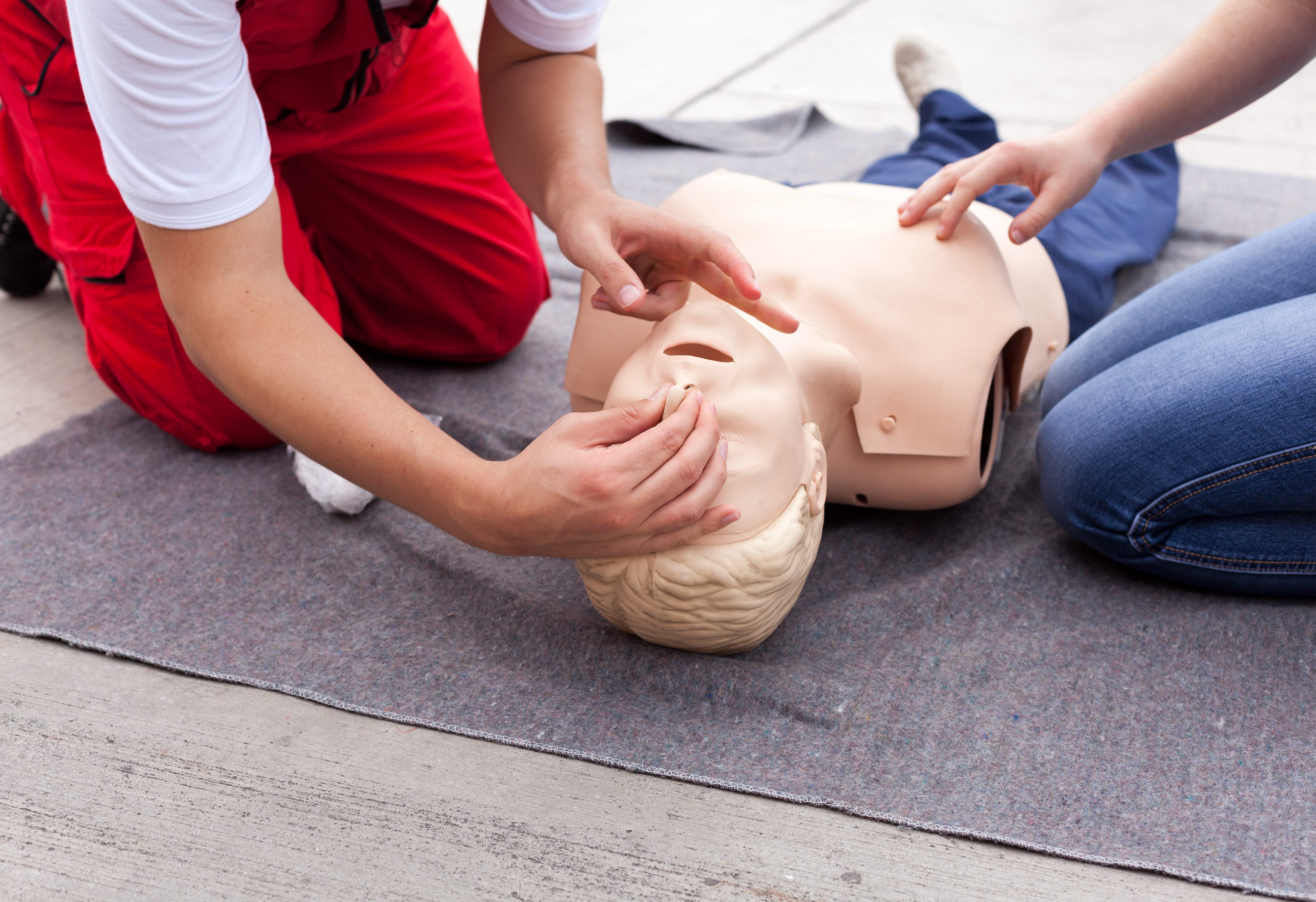
The Emergency First Aid course is designed to equip candidates with the minimum knowledge and skills required to save lives in a medical emergency. This course is run over 6 hours and includes both theory and practical sessions, and will gave a good basic insight to dealing with basic medical emergencies.


Level 3 Award in First Aid at Work Refresher (QCF)

Date: 17th & 18th September
Venue: Ajuda Training Academy, 15 Mount Stuart Square, Cardiff Bay, CF10 5DP
Cost: £140 +VAT per person
The First Aid at Work Refresher course is designed to equip candidates with the knowledge and skills required to save lives in a medical emergency. This course is run over 2 days and includes both theory and practical sessions, and will give a good level of knowledge to equip the candidate to deal with work place emergencies.


Level 3 Award in First Aid at Work (QCF)

Date: 17th – 19th September
Venue: Ajuda Training Academy, 15 Mount Stuart Square, Cardiff Bay, CF10 5DP
Cost: £195 +VAT per person
The First Aid course is designed to equip candidates with the knowledge and skills required to save lives in a medical emergency. This course is run over 3 days and includes both theory and practical sessions, and will give a good level of knowledge.


Level 2 Award in Health & Safety (QCF)

Date: 24th September
Venue: Ajuda Training Academy, 15 Mount Stuart Square, Cardiff Bay, CF10 5DP
Cost: £75 +VAT per person
The Level 2 Award in Health and Safety in the Workplace qualification can be tailored to business and individual needs to make the learning experience relevant and fit for purpose. This course is designed to make staff more aware of Health & safety Issues within the workplace.


For more information about what the courses listed above cover, or, to book a space, please contact us on 02920 576883.

GCSE Results Day: Vocational Qualifications to help your future

Did you or a someone you know miss out on the GCSE results that were expected?

gcse results

At Ajuda, we offer vocational training courses – the perfect opportunity for students who have missed out on the grades they hoped to achieve. Our Level 2 courses are the equivalent of a GCSE C grade and will help students get into college or sixth form.

This avenue is an excellent opportunity to ensure students are prepared for the challenges ahead. Our courses will offer students skills and qualifications that they can utilise when they are applying for sixth form/college and when searching for employment. Ajuda Limited offers courses in a large variety of subject areas such as; first aid, food hygiene, national pool lifeguard, fire safety, mental health awareness, business skills, manual handling and more.  

In a survey commissioned by the British Red Cross it was found that 97% of young people believed first aid education would improve their confidence, skills and willingness to act in a crisis.

We can run courses from our training academy in Cardiff Bay or for groups at a location of their choice. Please find attached our course price list and open course calendar for 2018.

For more information about what we can offer, please contact us on 029 2057 6883 or email admin@ajuda.org.uk

7 Daily workplace safety tips you can implement quickly

Health and Safety is important because it protects the well being of employers, visitors and customers. Looking after Health and Safety makes good business sense. Workplaces which neglect health and safety risk prosecution, may lose staff, and may increase costs and reduce profitability.

Here are 8 tips you can use in the workplace.

1. Prevent Falls, Trips and Slips

Regardless of your industry or sector, you should always make sure floors are clean and dry in storerooms, passageways, and service rooms. A few effective daily workplace safety tips you can use to prevent slips, trips, and falls are:

  • Use drip guards and pans.
  • Keep all aisles and walkways clear of items.
  • Quickly report and clean up all leaks and spills.
  • Install warning signs and even mirrors to help with troublesome blind spots.
  • Replace all damaged, ripped, and worn flooring.
  • Consider installing anti-slip flooring in the areas that may not be readily able to be cleaned.
  • Use platforms, mats, and other dry standing places where useful.


2. Be aware of surroundings

It’s important that everyone knows where there are hazards in the workplace. Once they have been named  you should post signs as a part of your safety management system to keep workforce alert and conscious any potential hazardous situations and areas.

 3. Ensure everyone takes regular breaks

A large number of work-related illnesses and injuries happen because a worker is burned out, tired, or unconscious of their surroundings. The best way to avoid this inherent hazard is to ensure everyone takes their regular breaks, especially with labor intensive work, such as construction and manufacturing.


4. Always use machines and tools properly

Anytime staff members are working with tools and equipment, it’s vital they use them properly and never take shortcuts. Shortcuts are one of the primary causes of injuries on the jobsite. For instance, employees shouldn’t use a scaffold as a ladder or one tool instead of another for a job. Using the right tools every time will reduce the overall likelihood of injuries.


5. Protect your back by using the correct posture

Whether the work environment is an office or at an energy production plant, it’s important employees protect their back and use correct posture. Using correct posture means picking things up with the correct form and avoiding twisting and stooping.


6. Report dangerous conditions to management

Anytime hazards exist or there are unsafe working conditions, management should be alerted immediately. Although management is responsible for maintaining a safe work environment, it becomes infinitely more difficult to achieve this goal if they are unaware of the danger.


7. Ensure all workers wear the proper safety equipment

Failing to wear the right personal protective equipment (PPE) equipment for the job is one of the most common culprits for serious injuries and fatalities. The type of PPE should change based on the task and industry. For instance, someone working in the space and defense industry would require different PPE than someone in field services.


Top tips for Manual Handling in the Workplace

Manual handling injuries can have serious implications for the employer and the person who has been injured. They can occur almost anywhere in the workplace and heavy manual labour, awkward postures, repetitive movements of arms, legs and back or previous/existing injury can increase the risk.

manual handling boxes

Here are some tips for keeping safe in the workplace.

  1. Conduct a manual handling risk assessment
  2. Ensure employees and the correct manual handling training
  3. Use mechanical aids wherever possible
  4. Plan the route before you start
  5. Work from a stable base
  6. Hug the load
  7. Bend your knees
  8. Avoid twisting or leaning
  9. Keep your head up
  10. Know your limits
  11. Push a load rather than pull it

At Ajuda we provide accredited Level 2 Safe Moving & Handling Training, and Level 2 Award in Manual Handling, Moving People Safely. The courses can be in your workplace or at our Training Academy in Cardiff Bay

For more information take a look at our our training courses page here

Or call us on 02920 576883

Top tips for keeping children safe in the water this summer

One of the best ways to cool down in this glorious summer sun is to visit the beach, or a pool and have a paddle in the water

Here are some great tips to keep your children safe in the water.


kids swimming armbands

Teach them early

Teach children to get comfortable in the water and swim at an early age. Educate them early about water safety.

Active supervision, barriers and sightlines

Always actively supervise children when they’re both in and around the water; ensure that pools are secured with appropriate barries; and require children to swim within designated area that are within sight of guardians and certified lifeguards.

Who’s your buddy?

Never let children swim alone; always designate swimming buddies before visiting the beach or pool.

Don’t be pushy

Instruct children to never run, push or jump on others in and around the pool.

Wear sunscreen

Protect your skin from sun burn and sunstroke by wearing hats and sunglasses and applying sunscreen of SPF 15 or higher and limiting direct exposure to sunlight for prolonged periods of time.

Suit up!

Make sure children always wear life jackets and use proper water safety and flotation devices

I’m on a boat!

Children should always wear a PFD (personal floatation device) while on a boat. If it doesn’t fit, get one that does.

Get certified

Become certified in infant and child First Aid and CPR

Stay Hydrated

Ensure that kids drink plenty of fluids to stay properly hydrated, especially on hot days

Learn how to educate others to save lives. Become a trainer with Ajuda

Become a trainer and share valuable knowledge with others.

There are many great reasons to become a trainer. As a trainer, you can be a part of teaching people life-changing skills such as performing CPR and using a defibrillator. You will be sharing valuable knowledge with people that they will take with them into their everyday life. If flexible working is also something you require, becoming a trainer is a fantastic way of achieving this.

Teachers and trainers play an important role within society and can have a large impact on the lives of those that they teach. This makes teaching an extremely worthwhile career.

At Ajuda, we will be running 2 training courses that will enable you to become a trainer.
These will be held at the Ajuda Training Academy in Cardiff Bay. 

For course dates please see our course calendar here.


Level 3 Education and Training

The Education and Training qualification on the other hand, is not limited to first aid alone. Formerly known as PTLLS, the Award in Education and Training is a short course that is designed to enable a wide range of students to undertake teaching, training or other learning tasks relevant to their own training or teaching situation. The Level 3 Award in Education and Training is an important qualification for anyone working in or interested in working in teaching. It is suitable for those already in education, who want to gain formal recognition of their skills, and for those with no teaching experience at all. It is recommended for all teachers new to the sector, whether in further education, adult and community learning, work-based learning or other parts of the learning and skills sector.

The course will cover:

  • Understanding the roles, responsibilities and relationships in education and training
  • Understanding and using inclusive teaching and learning approaches in education and training
  • Understanding assessment in education and training.


Location: 15 Mount Stuart Square, Cardiff Bay, CF10 5DP

Cost: £525+VAT


First Aid Train the Trainer

This First Aid Train the Trainer course is specific training to aid you in becoming a first aid trainer and will give you the tools required to do this effectively. Becoming a first aid trainer is an accessible career route. If you are aiming to be a first aid trainer within the workplace at an unaccredited level, you will only need the Level 3 First Aid at Work and the First Aid Train the Trainer qualifications. However, to teach at an accredited level you will need either a PGCE qualification or the Level 3 Education and Training qualification.

The course will cover:

  • 4MAT system of education
  • First aid subject workshops
  • First aid changes by the European Resuscitation Council
  • First Aid at Work 3 day course delivery, assessment and administration
  • First Aid at Work 2 day refresher delivery, assessment and administration
  • Emergency First Aid delivery, assessment and administration
  • Course equipment and resource requirements.


Location: 15 Mount Stuart Square, Cardiff Bay, CF10 5DP

Cost: £395+VAT


Testimonial from Mike who was on our last First Aid Trainer Course


“It was very enjoyable, Dawn’s subject knowledge is second to none. It’s been really beneficial to me”


For more information on becoming a trainer, about what the courses listed above cover, or, to book a space, please contact us on admin@ ajuda.org.uk or call 029 2057 6883.


4 Expert Food Safety Tips for the Summer

As soon as we have the warm weather in Britain it’s time to get out side, and enjoy al fresco living. Clean up those bbqs that are in the shed, go for a picnic, visit the beach and enjoy the outdoors.

bbq

But it’s easy to forget that as the temperature rises, so does your chance of getting sick from contaminated food. Bacteria thrives in warmer conditions and people are cooking outdoors frequently—away from sinks, refrigerators, and kitchen thermometers.


What can you do to avoid the unpleasant experience of food poisoning this summer?


hand sanitiser, food hygieine

1. Stay Clean

Washing hands, surfaces, and food is one of the easiest ways to prevent foodborne illnesses. “In some cases people know about the basics but they don’t always do them, and obviously these practices are well worth the time,” says Shelley Feist, executive director of the Partnership for Food Safety Education.


Always wash hands with soap and water for at least 20 seconds before and after handling food. If you are outdoors without access to a sink, use antibacterial hand sanitizer as an alternative.


Rinsing fruits and vegetables is as simple as running tap water over them, but without access to running water it can be difficult. Washing your food before packing it in your picnic basket will ensure that the food is clean–even if your camp site doesn’t have fresh water.


bbq food meats raw

2. Separate Raw Food

During barbeque season it can be more difficult to avoid cross-contamination because there’s often less access to clean surfaces and dishes. “When raw meat goes on the grill you can’t put it back on the same platter you brought it out on,” says Feist. Have an extra plate on hand or thoroughly wash any utensil, dish, or surface that has touched raw meat or seafood with hot, soapy water before reusing.


Cross-contamination can also occur when traveling if raw meat, seafood, and poultry aren’t wrapped properly. Carefully wrap food and place it in a separate cooler (or at the bottom of the cooler) to prevent any raw juices from leaking and contaminating other foods.


thermometers

3. Cook Food Thoroughly

Don’t depend on the colour of meat or seafood to determine whether or not it’s cooked thoroughly. “Consumers are stubbornly stuck on visual indicators but, for both quality and safety, using a thermometer gives you an idea that it’s safe and not overcooked,” says Feist.


food cooler on beach

4. Keep Cold Food Cold

Traditional picnic baskets may look pretty, but they won’t keep your food at a safe temperature for long. And since it’s necessary to discard any food that has been left out in the summer sun for more than two hours (one hour if the temperature exceeds 90 degrees), choose a well-insulated cooler filled with ice instead.


Though a cooler is never an ideal replacement for a refrigerator because a home refrigerator should be kept at 40 degrees or below, there are four easy ways to slow down the growth of harmful bacteria:

  • Keep coolers out of direct sunlight and use separate food and beverage containers to help maintain a lower temperature. On a hot summer day, you should be drinking plenty of water so the beverage cooler will likely be opened (and thus exposed to warmer temperatures) more frequently.
  • Nestle bowls of summer salads in larger bowls of ice to direct cooling and insulate food.
  • Full coolers tend to stay cold longer. If your cooler has empty space, fill it with ice.
  • If traveling by car, don’t store your cooler in the trunk—the temperature is typically lower in the passenger area.


If you’re interested in knowing more about Food Hygiene we regularly run courses at our Training Academy in Cardiff Bay.

Or you can take a look at our online courses here.

Ajuda’s MD Dawn Evans changing lives in South Africa

Our MD Dawn recently visited the beautiful South Africa to volunteer and work aiming to help to inspire the young people of Cape Town. Alongside five other volunteers who each had something different to offer to the group, Dawn spent a week visiting schools, community hubs and many more.

south africa helping people

What is Mission Inspire?

The mission goal was to inspire young people Of South Africa and empower them to become more confident in themselves. By giving young people a voice, these young people are helped towards a brighter future, no matter what their background.

The mission was organised by Project Manager Caz who had a very busy itinerary planned for the week.

south africa organisations

Amoyo Performing Arts Foundation

Amoyo is a performing arts training programme but that is not its sole purpose. The classes at Amoyo are designed to engage with the local youth, to help them to feel supported and empowered. The brilliant people behind the organisation are there to help these young people to develop into successful, employable adults. Through their journey at Amoyo they will develop important skills to help them into adulthood whilst also learning to respect themselves and the people around them. The young people who engage with the project often come from backgrounds of poverty, neglect and gang culture.

Youth Redemption

Youth Redemption is dedicated to helping young people in South Africa to believe in themselves. The team at Youth Redemption encourage South Africa’s youth to make positive life choices and look towards a brighter future.  These young people are given the opportunity to improve their confidence and showcase their skills and talents in front of a live audience. Not only do Youth Redemption do amazing work with young people, they run regular community projects helping the less fortunate. The Kick Game Grind project collects donations of shoes to hand out to those in need and the Fresher Than You project collects donations of toiletries to donate.

Pebbles Project

The Pebbles Project aims to enrich the lives of children from disadvantaged backgrounds with special educational needs in the Winelands farming communities in the Western Cape, especially those whose lives are affected by alcohol. The project provides support and training to local wine farms and township crèches and establishes after-school provision for the older children living in the Winelands.

Salesian Institute Youth Project

The Salesian Institute Youth Project have been committed to providing programmes of education, training and rehabilitation for disadvantaged youth for over 10 years in Cape Town. The organisation offers support to young people within the community and helps them to learn valuable life-skills whilst providing vocational training.  A third of under 25’s in Western Cape Town are living in poverty. Projects like these enable young people to see a brighter future. They provide children with the vital skills they need to stay out of danger, find jobs and live happy lives. Projects lie the Salesian Institute Youth Project aim to give young people the tools to help themselves.

A stand out project that Salesian runs is the Porsche Training and Recruitment Centre. The project takes on 75 men and women from socially disadvantaged backgrounds to train as automotive service mechatronics technicians over the course of 3 academic years. Other projects include trade skills such as bricklaying and sewing for children who have dropped out or been expelled from previous schools.

south africa helping young people volunteering

What does Dawn have to say about her time out in South Africa?

I feel very proud and privileged to have been part of mission inspire, I was so touched by the children that I have decided to set up a charity back here in the UK “The Ajuda Foundation” to continue to help and support the young adults and projects that we met whilst in our mission. I left part of my heart with them in Cape Town, and pledged to continue to help and support then in anyway possible. They deserve so much more.


Exciting new partnership generates employment to people with disabilities

Over the last few months we have been working on an exciting new partnership with Remploy in Wales.  Ajuda are now part of the Remploy Community Partner Network, providing training courses to individuals with disabilites. The training courses, along with the support and mentoring by Remploy are successfuly helping these individuals into employment.

What is Remploy?

Remploy was established in 1944 by the Disabled Persons (Employment) Act, the aim of which was to provide employment for people injured during the war and coal miners with health conditions.

It is a leading provider of specialist employment and skills support for people with disabilities and health conditions in Wales. Remploy has a mission to transform the lives of disabled people and those with complex barriers to work by providing sustainable employment opportunities.

There is a network of Community HUBs and field teams across Wales, providing employment support to adults of working age referred by Job Centre Plus. The Ajuda team visited the Cardiff HUB earlier this month.

Ajuda visits Remploy Cardiff for a taster day

Dawn gave a short presentation and explained how qualifications can help with finding employment. It’s a lot harder for an employer to say no to someone looking for a job with qualifications on their CV. This motivated the individuals in the room and they were so keen to see which courses they could take.

At Ajuda we provide a range of training courses to help educate people with skills and qualifications. We can adapt our training to different audiences and the different needs of individuals, including those with disabilities.

We understand that everyone is different and provide both classroom-based learning as well as online training for a range of training courses suited for different industries.

dawn and sally remploy

To avoid the individuals from feeling overwhelmed at the 100 courses we provide, we broke them down into industries including;

  • Construction
  • Leisure Centre
  • Security
  • Childcare/Nursery
  • Retail
  • Restuarant/Hotel/Cafe
  • Care Home


Dawn then asked where everyone’s dream job would be. We had a range of answers from ‘Warehouse’ ‘Coffee shop’ ‘Care Home’ and ‘Building Site’

They were then surprised to find out that there were lots of courses that they could complete to gain qualifications to help them get the job of their dreams.

One of the individuals, Andrew, told us that he feels as though he would like to work in a Warehouse. He was so enthusiastic when he learned that he could take the ‘working safely’ and ‘working at height’ courses which would educate him in safety in the warehouse.

Gary, father of twin girls, enjoyed working on building sites and could take the CSCS course which would allow him to work on a construction site.

Each were signed up to the online portal that day and some have already taken the courses online, with the guidance of their Remploy advisor.

Achieving goals

With the help of the advisors at Remploy and the training courses provided by Ajuda a total of 50 people have completed courses, gaining qualifications which will help them on their journey to employment.

5 of these people have now successfully secured employment. Which is fantastic!

What Remploy has to say about the Partnership

“Since Work and Health Programme was launched on 1st December 2017, Remploy teams across Wales, have been working with members of our Community Partnership Network (CPN) to provide tailored support for our programme participants. One of these partners, Ajuda have provided a fantastic service. They are able to deliver training courses both in person and online, which has been invaluable for some customers living in remote areas. I have found the team at Ajuda to be extremely welcoming, helpful, efficient and willing to support us with any queries or requests. I have no hesitation in promoting their service.”

-Helen Cornet Partnerships Lead (Remploy Cymru)

The future

We can’t wait to help even more people into employment with Remploy and build our partnership with this amazing organisation.

The team will be visiting other community HUBs across Wales in July to see who else we can help.

Stay tuned for updates on our social media pages.


Fires destroy property, cause injuries, and take lives. Here’s how to keep your workplace safe

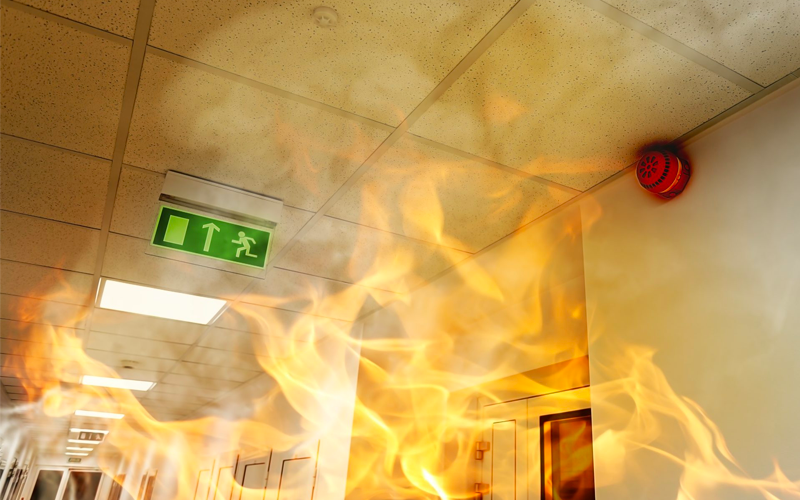
One of the key strategies to maintaining a safe workplace and preventing fires is fire safety training. With proper training workers can eliminate fire hazards and respond quickly and efficiently if a fire breaks out.

Every workplace has its own specific fire risks, and in turn should therefore have in place its own preventative measures and carefully honed procedures in order to combat these unique threats.

But whether you work in a factory or in an office, in a garage or a care home, there are still some basic tips which everyone should follow to maintain fire safety in the workplace.


Here are 10 Ways to keep your workplace safe

1. Good Housekeeping. 

A clean and tidy workplace helps combat a range of different threats, and if your workplace handles a lot of flammable material this could be the difference between a minor threat and a catastrophic blaze. Whether you’re dealing with oily rags or stacks of paper filing, make sure everything is stored safely and away from naked flames.


2. Maintain electrical safety. 

A huge number of fires in workplace premises can be traced back to faulty wiring and electrical equipment. If your team contains someone qualified to repair electrical equipment, ensure they keep on top of any known issues. If not, book in regular inspections and PAT testing to avoid the risk of electrical fire. You should also maintain the safe operation of your site’s equipment, and prevent overheating or sparking wherever possible. Unless you are qualified and authorized, you should never attempt electrical repairs. Faulty wiring and malfunctioning electrical equipment are key contributors to workplace fires. If you notice something does not look right, immediately notify the proper person in your facility.


3. Accessibility. 

If there is an emergency and you need to shut down a particular machine, the last thing you want to be doing is shifting boxes or equipment out of the way before you can even get to the control panel. Keep a clear line of access and sight to any control panels within your premises, and preferably have them visibly marked to enable swift identification at a moment’s notice. Also, never block sprinklers, firefighting equipment or emergency exits and observe clearances when stacking materials.


4. Fire Drills and Evacuation Plan. 

Conduct fire drills at least twice a year and have a designated spot where employees will meet once they exit the building. Assign employees to be fire drill captains and make sure everyone knows what the proper procedure is. Review your plan with your local fire company to assess its effectiveness. One of the most important parts of fire safety training concerns exit procedures in the event of fire. Make fire drills a regular part of your workplace schedule, and ensure that your employees treat each one with the respect it deserves. You may also wish to appoint a dedicated fire marshal to oversee the correct observance of every fire drill, and ensure that any employees who disregard its importance are re-educated in fire safety to prevent further lapses.


5. Fit relevant equipment.

 Smoke alarms should be fitted throughout your building and tested at regular intervals, with their batteries replaced annually. You should also make sure that you have the right fire-fighting equipment relevant to the threats present in every room. Different types of fire require vastly different approaches in order to tackle them effectively, so as part of your fire safety training ensure that your staff not only have access to the right kind of extinguisher, but that they also know how to use them.

6. Fully Charged Fire Extinguishers. 

Check fire extinguishers often by looking at the gauges and making sure they’re fully charged and ready for use. If they’re not fully charged or if the attached tag indicates that the last inspection occurred more than a month ago, call for maintenance.  Also, encourage all workers to learn how to use a fire extinguisher and provide the proper training.

7. Maintain Fire Safety Training. 

A team of educated and observant employees is your biggest ally in achieving fire safety for the workplace. Knowing the best course of action in an emergency can help prevent major disasters and unnecessary loss of life and infrastructure, therefore it is imperative that all employees, both new and old; are retrained in your workplace’s fire safety procedures as often as possible.


8. Store Chemicals Safely.

Many workplaces might not feel this particular point applies to them, but flammable chemicals can be found in most workplaces. This could be in the form of printing supplies and the products stocked in your cleaner’s cupboard. Follow all documented advice which comes on both the label and any material safety data sheets you may have for these items. Make sure your employees have the proper protective equipment for handling hazardous materials.


9. Building security.

To help prevent arson fires, always lock up as instructed and report suspicious persons or behaviour. Never leave combustible waste outside or near your building.

10. Emergency Numbers and Proper Signage.

Emergency phone numbers, as well as your company address, should be posted by the phone station for quick access. If necessary, create additional information sheets in the native languages for your employees. Make sure you have exit signs installed in your facility. In addition to this, a fire evacuation plan in the event of an emergency.


Ajuda logo white

At Ajuda, we run regular First Safety Courses at our Training Academy in Cardiff Bay, or we can come to you to deliver in house training at your premises.


To find about more about Fire Safety, contact us at Ajuda Training on 02920 576 883 or visit us at ajuda.org.uk



It’s Child Safety Week. Here are a few top tips for keeping your children safe and avoiding burns at home

As a parent one of your biggest worries and concerns are your children. You want to make sure they are safe at all times, but, unfortunately you can’t keep them in bubble wrap and cotton wool. Accidents do happen, even around the home but as it is Child Safety Week we have some top tips. Hopefully these will help you put your mind at rest just by doing these few things to prevent a burn happening to your children at home.


Cooking

Hot cooker hobs, oven doors, kettles and saucepans are just a few of the dangers in the kitchen. Young children don’t have a reflex to pull away from something that is burning them, it’s something we learn.

Push kettles to the back of the worktop and try to use the back rings on the hob. Better still, keep children out of the kitchen when you’re cooking if you can.


Hot drinks

This is the main cause of scalds for under fives. Your hot drink can scald a baby 15 minutes after it’s been made.

Put your hot drink down well out of reach – don’t rely on young children understanding not to touch.

Put your baby down safely before you pick up your hot drink.


Hair straighteners

They can get as hot as your iron and can still burn 15 minutes after they are switched off.

Keep straighteners out of reach when you’re using them

Put them in a heat-proof pouch or on a high shelf to cool.


Bath water

Baths can cause a serious scald in just 5 seconds.

Put the cold water in first and top up with hot, in case your toddler takes a tumble into the bath.


Internal burns from button batteries

If swallowed, a button battery can burn through a child’s throat and lead to serious internal bleeding and even death.

Keep objects with accessible button batteries well out of young children’s reach.

Store spare batteries somewhere safe and take care when replacing batteries.


Fires and heaters

Babies in cots can trap arms or legs against radiators.

Children can touch or fall into fires, especially if using baby walkers.

Move cots away from radiators.

Fit fireguards around fires and heaters.


Paediatric First Aid

Unfortunately, burns and accidents do happen, in fact, Six toddlers are admitted to hospital every day because they’ve been badly burned.  But, we have some first aid tips for you in case you will ever need them.


  1. Cool the burn

Do this immediately using running cool water for 10 minutes.

  1. Remove jewellery and loose clothing

Do this gently and carefully, before the area starts to swell. Do not remove anything that is stuck to the burn.

For burns involving chemicals, be careful not to contaminate yourself or other areas of the body.

  1. Dress the burn

Use a sterile dressing that won’t stick. Cling Film is ideal – discard the first two turns of the film and don’t wrap it tight as the area may continue to swell. Secure with a bandage.


Never:

  • Cool the burn using ice
  • Burst blisters
  • Touch the burn
  • Apply creams, ointments or fats
  • Apply adhesive dressings
  • Remove clothing that has stuck to the burn


Ajuda logo white

If you want to know more or be trained in First Aid then we run regular courses at our Training Academy

See our course calendar here

These are the most common food allergies in the UK

common food allergies

A food allergy is when the body’s immune system reacts unusually to specific foods. Although allergic reactions are often mild, they can be very serious.


What causes food allergies?

Food allergies happen when the immune system – the body’s defence against infection – mistakenly treats proteins found in food as a threat.

As a result, a number of chemicals are released. It’s these chemicals that cause the symptoms of an allergic reaction.

Almost any food can cause an allergic reaction, but there are certain foods that are responsible for most food allergies.

In children, the foods that most commonly cause an allergic reaction are:

  • milk
  • eggs
  • peanuts
  • tree nuts
  • fish
  • shellfish

Most children that have a food allergy will have experienced eczema during infancy. The worse the child’s eczema and the earlier it started, the more likely they are to have a food allergy.

In adults, the foods that most commonly cause an allergic reaction are:

  • peanuts
  • tree nuts – such as walnuts, brazil nuts, almonds and hazelnuts
  • fruits – such as apples and peaches
  • fish
  • shellfish – such as crab, lobster and prawns


If you want to know more, why not book on to one of our training courses. At Ajuda we provide Food Safety Level 2 and Level 3 Food Allergens.

Find out more here or give us a call on 02920 576883